Why Short Practice Sessions Beat Long Ones — What the Science Says
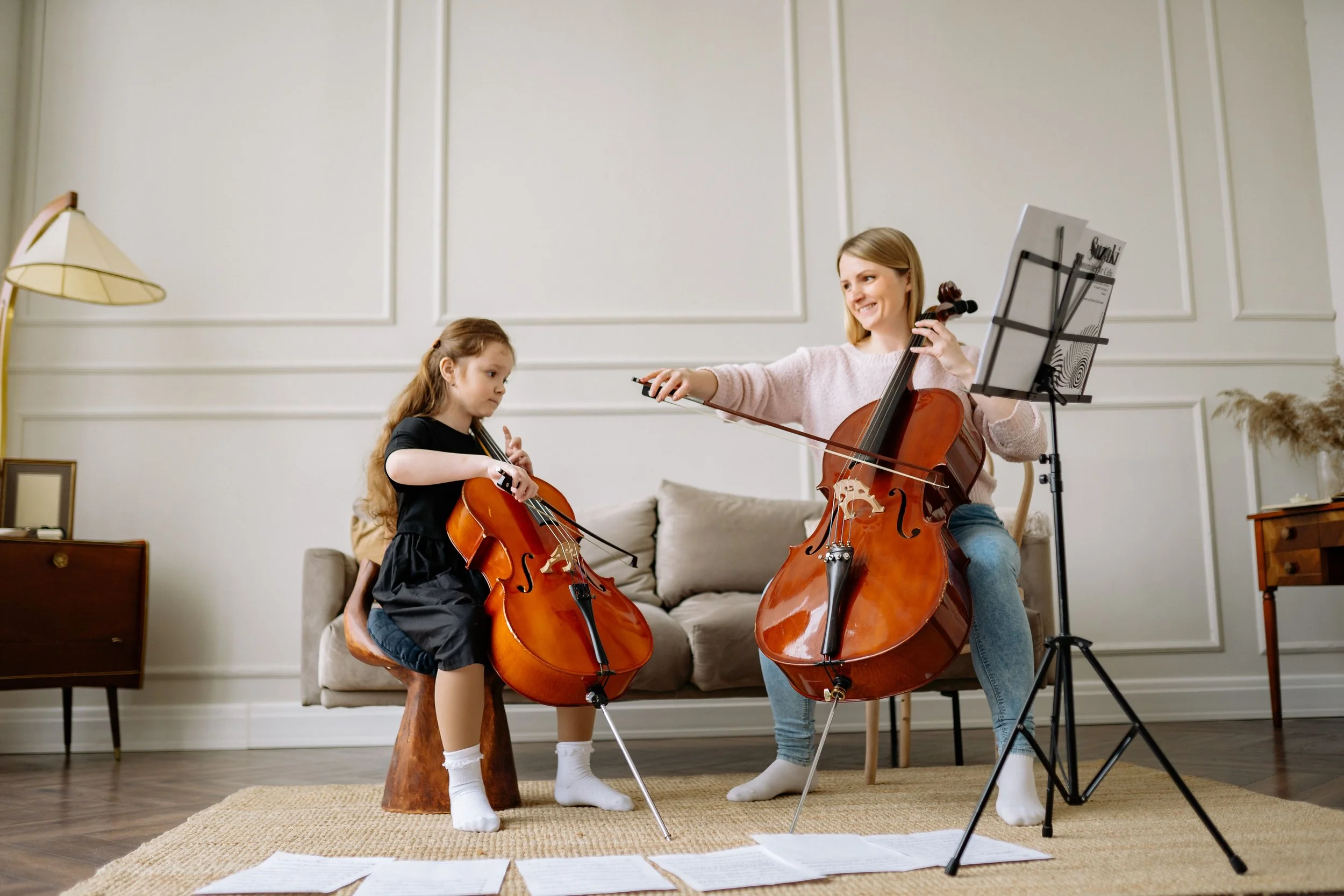
Most music parents operate on a simple assumption: the longer a child practices, the more they improve.
It feels logical. More time equals more learning. If 15 minutes is good, 45 minutes must be better.
The science says otherwise — and understanding why changes everything about how students approach practice at home.
The NIH study that changed how we think about practice
A 2021 study from the National Institutes of Health found something that surprised even the researchers: students who took short 10-second breaks during practice learned new skills significantly faster than those who practice continuously without stopping.
The reason comes down to how the brain actually encodes new information.
When you're actively practicing — playing a passage, repeating a technique, working through a difficult section — your brain is simultaneously trying to perform and learn. These are two competing demands. The brain struggles to do both at the same time with full effectiveness.
When you pause — even for just 10 seconds — the brain uses that micro-rest to consolidate what it just did. Neural pathways are strengthened. The motor patterns being learned are replayed and reinforced internally. The break isn't wasted time. It's where the actual learning happens.
This is why a student who practices a difficult passage 10 times with brief pauses between each repetition often makes more progress than one who plays through it 30 times continuously. The pauses aren't interruptions to the learning. They are the learning.

What this means for practice length
If short breaks within a session accelerate learning, it follows that shorter, more focused sessions — with natural rest between them — produce better results than marathon practice.
A 15-minute session with full attention and brief pauses between repetitions engages the brain's consolidation mechanisms repeatedly throughout. A 45-minute session, by contrast, often degrades into mindless repetition as concentration fades — which reinforces existing patterns without building new ones.
This is one of the most well-supported findings in skill acquisition research, and it holds across disciplines far beyond music. Athletes, chess players, surgeons learning new techniques — all show the same pattern. Shorter, focused sessions with rest outperform longer, continuous ones for skill development.
Why students don't improve from long practice sessions
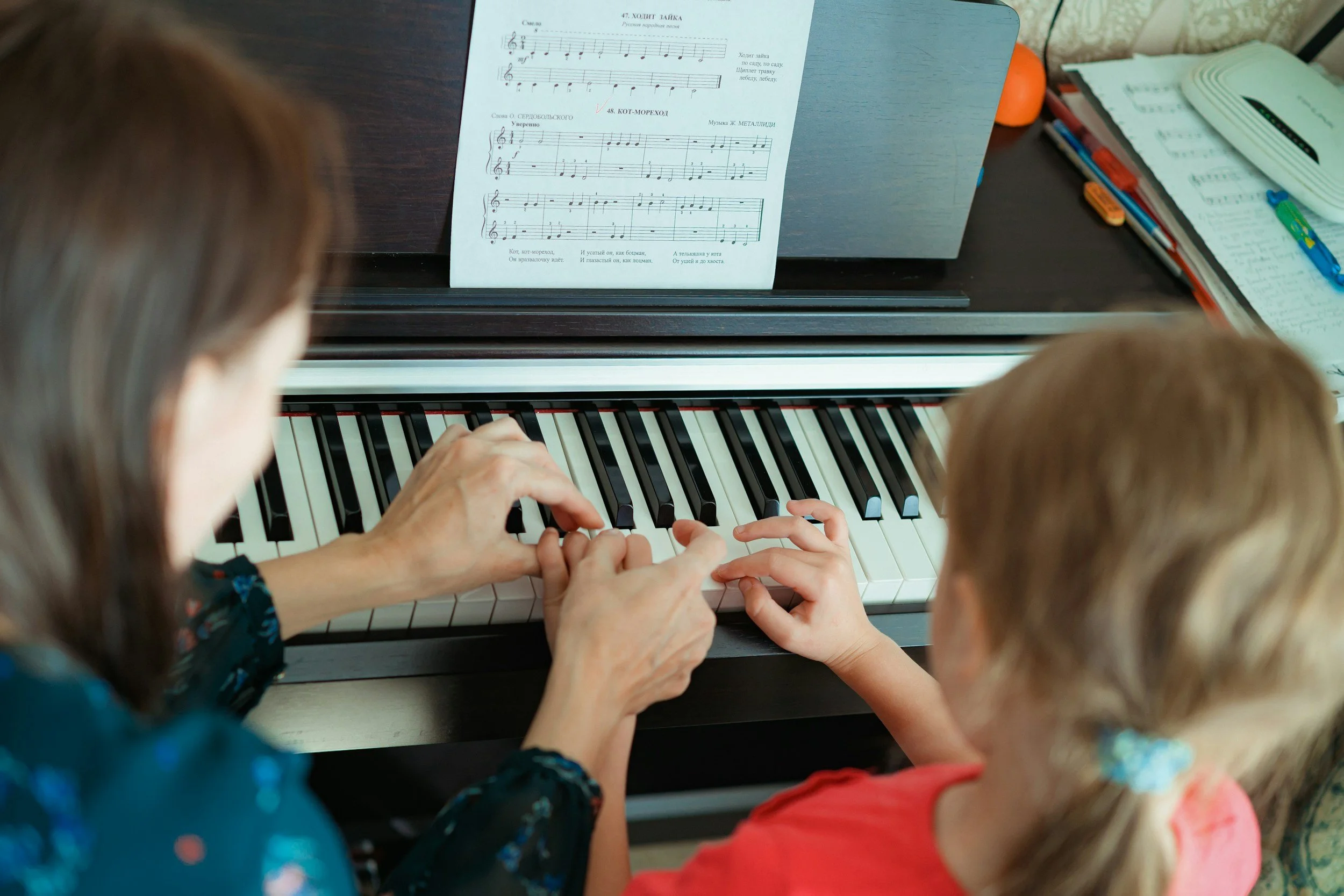
There is a common pattern in music families that goes like this: the child hasn't practiced all week, so on the day before the lesson they sit down for 45 minutes to make up for lost time.
From the outside this looks like effort. From a neuroscience perspective it is almost entirely ineffective.
By the time a student has been practicing for 30 or 40 minutes without breaks, several things have happened. Concentration has dropped significantly. Fatigue has set in — both physical and cognitive. The brain is no longer encoding new information effectively. And the repetitions being performed are reinforcing whatever habits exist, good or bad, rather than building anything new.
The student finishes feeling like they practiced. The teacher notices at the next lesson that very little has actually changed. And the family is confused — they put in the time, why isn't it working?
The answer is almost always the same. It isn't the time that produces progress. It is the quality and structure of the time.
The Daily Practice Habit
The most effective practice structure for music students of almost any age is short and daily rather than long and occasional.
Ten to 15 focused minutes every day produces dramatically better results than one or two long sessions per week — not just because of the total time involved, but because daily practice gives the brain repeated consolidation opportunities. Each session builds on the last. Each night's sleep consolidates what was practiced that day. Over weeks and months, the compounding effect of daily short sessions produces progress that occasional long sessions simply cannot replicate.
This is why building the daily practice habit matters so much more than getting any single practice session right. A child who practices for 10 minutes every day for a month has given their brain 30 consolidation opportunities. A child who practices for an hour twice a week has given their brain eight.
The math is straightforward. The habit is what makes the difference.

What Teachers
can do
Understanding the neuroscience of practice changes how teachers structure what they ask students to do between lessons.
Rather than assigning open-ended practice — "work on this piece this week" — teachers can assign specific, time-limited tasks. "Practice bars five to eight slowly, five times, with a pause between each repetition." This mirrors exactly the structure the research shows is most effective — focused repetition with brief consolidation breaks.
Setting a realistic daily time expectation is equally important. Telling a family to practice for 10 focused minutes every day is both more achievable and more neurologically effective than asking for 30 minutes several times a week. Lower the time expectation. Increase the frequency. The results will follow.

How Jamtime supports this
JamTime sends daily practice reminders that make short, consistent practice easy to maintain. During the lesson, teachers enter specific notes about exactly what to practice and how — so students aren't guessing, and every session is focused rather than aimless.
When practice is short, specific and daily — supported by a reminder system that makes showing up the path of least resistance — the science works in the student's favour every single day.
Download JamTime free on the App Store.
Visit jamtime.com.au to learn more.
JamTime — practice made simple, progress made real.