How to Attract More Students to Your Music Studio

Most music teachers are excellent at teaching. Very few have been taught how to grow a business.
The result is a common pattern — a talented teacher with a studio that never quite reaches its potential, not because of anything wrong with the teaching, but because the systems that attract and retain students were never properly built.
The good news is that attracting students to a music studio doesn't require a marketing degree or a large advertising budget. It requires an understanding of what actually drives enrollment decisions — and then doing those things consistently.

The most powerful marketing tool you already have
Before spending a single dollar on advertising, it's worth understanding where most music studio enrolments actually come from.
Word of mouth.
Study after study of small service businesses — including music studios — consistently shows that the majority of new enrolments come from referrals. A parent who is happy with their child's teacher tells another parent. A student who is making visible progress tells a friend. A teacher whose students consistently perform well at concerts and exams builds a reputation that precedes them.
This matters because it fundamentally reframes the marketing question. For most music studios, the most effective marketing investment isn't advertising — it's making the existing student experience so good that families can't help but talk about it.
Every student who improves visibly is a walking advertisement. Every parent who feels informed and involved is a potential referral source. Every recital, every exam result, every milestone celebration is an opportunity for word of mouth to do what no paid ad can replicate — deliver a new family who already trusts you before they've met you.

Your online presence
Word of mouth works within existing networks. To reach families outside those networks — new residents, families who haven't been referred by anyone — you need to be findable online.
For most music studios, this means three things: a professional website, an active social media presence, and visibility in local search results.
A professional website doesn't need to be elaborate. It needs to answer the questions a prospective family is asking: What instruments do you teach? Where are you located? What do lessons cost? How do I get started? A website that answers these questions clearly and looks professional builds immediate credibility with families who find you through search.
Social media serves a different purpose — it keeps you visible to families who already know you exist and gives prospective families a sense of who you are before they reach out. Consistent, relevant content — practice tips, insights about music education, student milestones — builds authority and keeps your studio top of mind.
Local search visibility means appearing when someone in your area searches "piano teacher near me" or "music lessons Brisbane." This is largely driven by having a Google Business Profile set up and maintained, consistent name and address information across the web, and genuine reviews from current and former families.

Reviews and testimonials
Online reviews are one of the most under-utilized marketing assets in music education.
Most families researching music teachers will check reviews before making contact. A studio with no reviews is at a significant disadvantage compared to one with even a handful of genuine, positive testimonials — regardless of how good the actual teaching is.
Asking for reviews feels uncomfortable for many teachers. But most satisfied families are genuinely happy to leave one if asked directly and at the right moment — after a student's first performance, after an exam result, after a particularly good term. A simple, direct ask — "We'd love it if you left us a Google review — it really helps other families find us" — works far better than a passive hope that someone will think to do it unprompted.

Showcasing student progress
Nothing attracts new families to a music studio more effectively than visible evidence of student progress.
Student recitals — even small, informal ones — serve multiple purposes simultaneously. They give students a performance goal to work toward. They give parents an opportunity to see what their child has achieved. And they give the studio a public showcase that reaches everyone in the audience — including families who aren't yet enrolled.
Documenting and sharing student milestones — with appropriate permission — extends this effect beyond the people who were in the room. A short video of a student playing a piece they couldn't manage three months ago, shared with their family's permission, communicates more about the quality of teaching than any written description could.

Retention is the foundation of growth
Here is the marketing insight that most studio owners miss: retention is more powerful than acquisition.
A studio that keeps students enrolled for three years has a fundamentally different growth trajectory than one that signs up the same number of new students every term but loses just as many. The studio that retains students builds reputation, referral networks and revenue simultaneously. The studio with high turnover is always starting over.
This means that the most important marketing work a music teacher can do is often not about attracting new students at all — it's about making the experience so consistently good that existing students don't leave.
Consistent communication. Visible progress. A teacher who is clearly invested in each student's development. These are the things that keep students enrolled long enough to become the word-of-mouth engine that grows the studio organically over time.
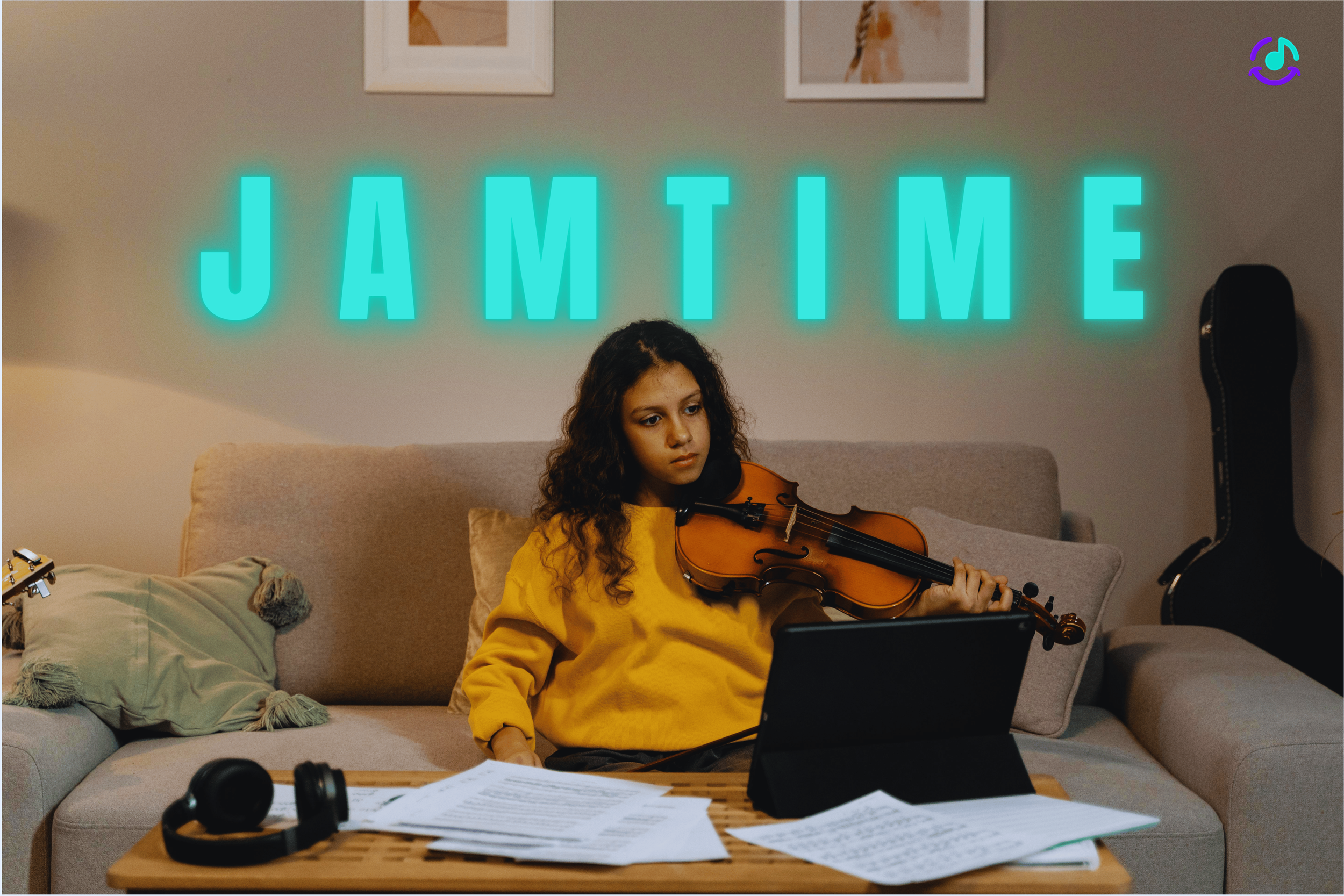
How JamTime supports studio growth
JamTime addresses the two things that most directly drive both retention and referral — consistent communication and visible progress.
Notes entered during every lesson give students clear direction. Daily reminders keep practice consistent. Parents see progress in real time without having to ask. And students who practice consistently improve faster — which means more visible results, more satisfied families and more word of mouth.
Being a JamTime teacher also gives you an edge, a point of difference. It adds to your professionalism and if you take up the studio subscription, gives parents the feeling of added value… something for free.
A studio where students improve, parents feel informed and teachers feel in control is a studio that grows. JamTime was built to make that experience easier to deliver consistently, for every student, every week.
Download JamTime free on the App Store.
Visit jamtime.com.au to learn more.
JamTime — practice made simple, progress made real.