How to Prepare Students for Music Exams

A music exam is one of the most significant milestones in a student's musical journey — and one of the most mismanaged.
Not because teachers don't care about exam preparation. Most do, deeply. But because exam preparation is often treated as an intensification of normal practice rather than a fundamentally different kind of work — and the two require very different approaches.
A student who is well prepared for a music exam isn't just a student who has practiced their pieces enough times. They're a student who has practiced performing under pressure, who knows exactly what the examiner is looking for, who has managed their nerves enough times that they've become manageable, and who arrives at the exam room feeling confident rather than terrified.
Getting a student to that point is the teacher's job. And it starts much earlier than most families expect.

Start earlier than feels necessary
The most common mistake in exam preparation is starting too late.
Most of the pressure, anxiety and last-minute cramming that surrounds music exams is a direct consequence of insufficient lead time. When students begin focused exam preparation six to eight weeks before the exam, the work feels manageable and progress is visible. When they begin two or three weeks out, the pressure to be ready in time creates exactly the kind of anxiety that undermines performance.
A useful rule — if the exam is in eight weeks, the student should already be able to play all their pieces from memory at a comfortable tempo. The final eight weeks are for refinement, performance practice and mental preparation — not for learning the notes.
This means beginning the process of selecting repertoire and building foundational competency much earlier — ideally three to four months before the exam date.
The difference between practice and performance
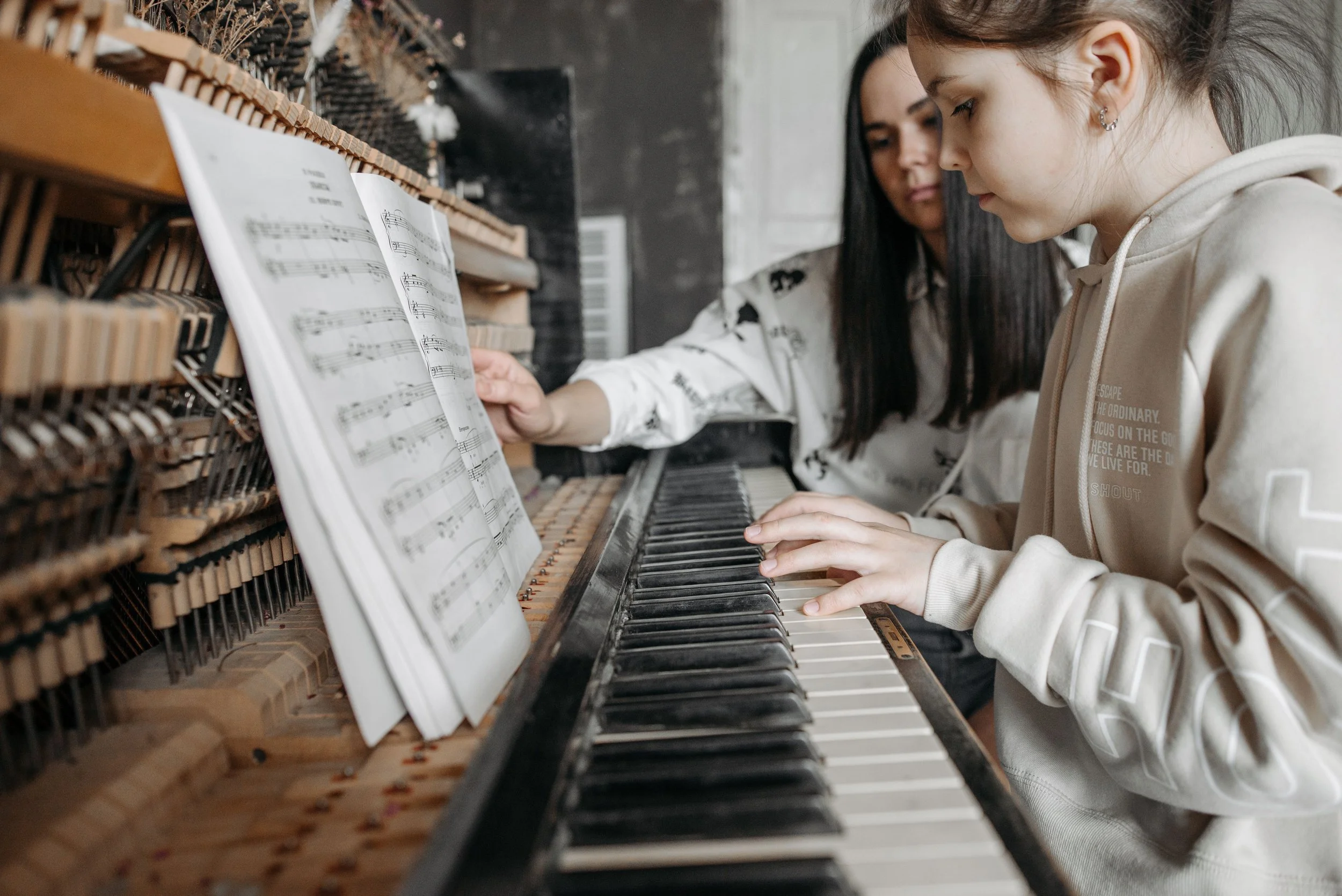
One of the most important things a teacher can do in the lead-up to an exam is help students understand that practicing a piece and performing a piece are two different skills — and that both need to be practiced.
In normal weekly practice, students are expected to stop, correct mistakes, repeat sections and experiment with interpretation. This is exactly right for learning. But it creates a habit that is actively counterproductive in a performance context — stopping.
In an exam, a student cannot stop. They cannot repeat a section. They cannot look to the teacher for reassurance. They have to keep going regardless of what happens — and the ability to do that is a skill that has to be built deliberately, not assumed.
Performance practice means running through pieces from beginning to end without stopping, exactly as they would in the exam room. It means practicing in front of small audiences — family members, other students, anyone who creates a slight pressure to perform — so that the physiological experience of performing under observation becomes familiar rather than overwhelming.
The student who has performed their pieces 20 times in practice conditions before the exam day has a fundamentally different experience of the exam than one who has only ever played them alone in their bedroom.
Scales, sight reading and aural
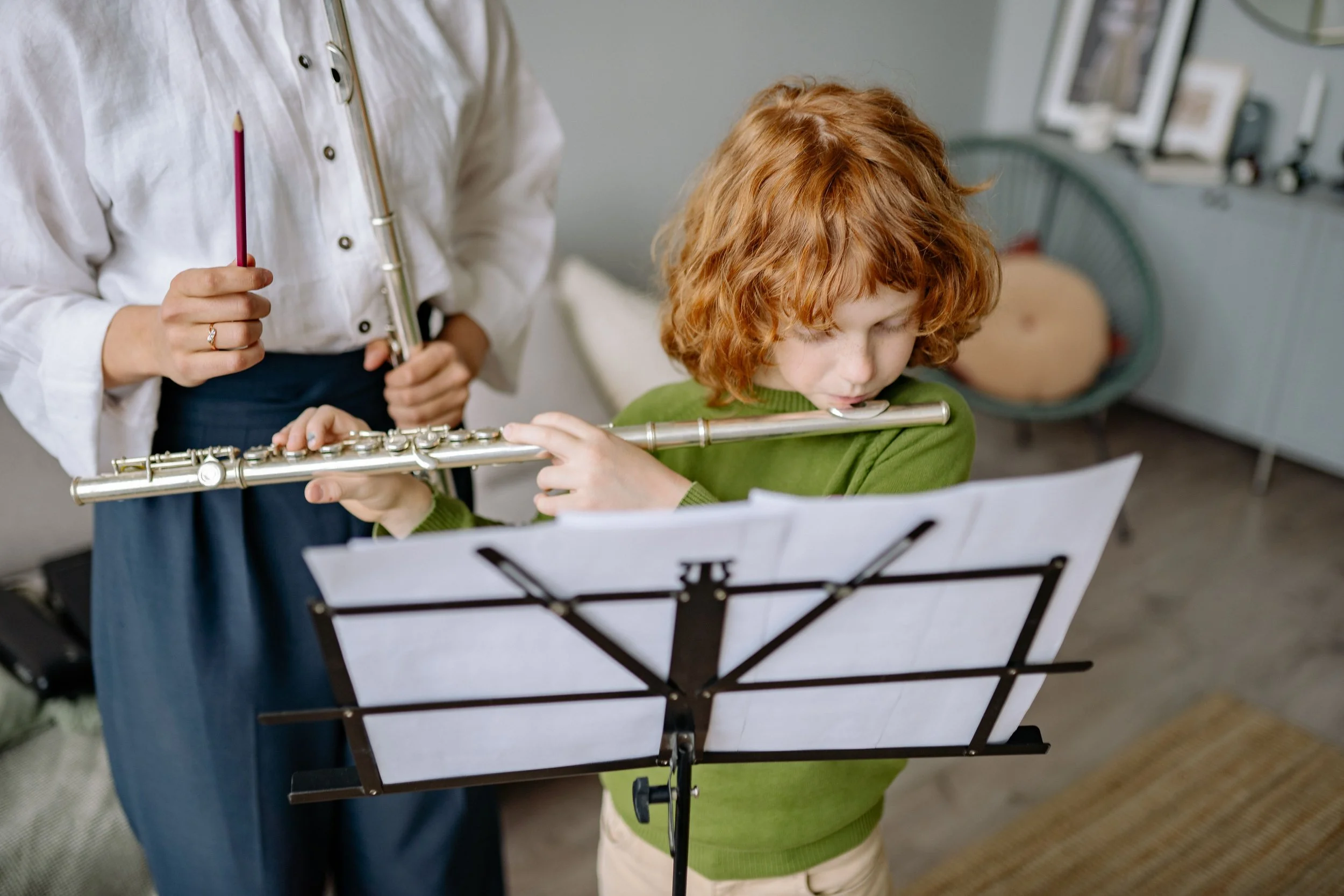
Most graded music exams test more than just repertoire pieces — and the non-repertoire components are often the ones students are least prepared for.
Scales are frequently under-practiced. Students spend the majority of their practice time on pieces and give scales a token run-through at the start of the session. For many students, scales are actually the component where the most marks are available relative to the time investment required — and consistent daily scale practice in the months leading up to an exam pays disproportionate dividends.
Sight reading is the component that causes the most anxiety and receives the least deliberate practice. The only way to improve at sight reading is to do it regularly — not just in the weeks before the exam but as a consistent part of every lesson and practice session throughout the year. Students who sight read a little every week are in an entirely different position at exam time than those who attempt to cram it.
Aural tests vary by exam board but typically assess pitch recognition, rhythm, phrasing and basic music theory by ear. Like sight reading, aural skills are built through regular, consistent exposure rather than intensive last-minute revision.

Managing exam nerves
Performance anxiety is real, it is normal, and it is manageable — but only if it is addressed directly rather than ignored.
Many students experience significant anxiety in the lead-up to music exams, and many teachers are uncomfortable discussing it because it can feel like acknowledging a problem might make it worse. The opposite is true. Naming the anxiety, normalising it and giving students concrete strategies for managing it reduces its impact far more effectively than pretending it doesn't exist.
Simple strategies — controlled breathing before playing, a consistent warm-up routine that signals to the brain that performance is about to begin, a focus on the music rather than on evaluation — make a real difference when practiced in advance. The key word is practiced.

On Exam D
ay
These strategies need to be rehearsed in practice conditions before the exam, not discovered on the day.
A few practical notes for the day itself.
Arrive early enough to warm up but not so early that the waiting becomes its own source of anxiety. A brief physical warm-up — gentle movement, hand stretches, a few slow scales — is more useful than a full practice run-through, which can peak concentration too early.
Remind students that an examiner's job is not to catch them out. Examiners are experienced musicians who want students to perform well. The exam is a conversation about music, not an interrogation.
And after the exam — regardless of outcome — celebrate the courage it took to perform. The exam result is one data point. The experience of preparing, performing and completing something genuinely challenging is worth celebrating in its own right.
How JamTime supports exam preparation
Consistent daily practice is the foundation of exam readiness — and JamTime makes consistent daily practice easier to maintain. Notes entered during lessons give students clear, specific direction on what to work on each day. Daily reminders keep practice from slipping in the weeks when motivation is low. And the practice streak makes consistency visible — giving students a tangible record of the work they've put in.
With videos of exam pieces being performed by professional musicians embedded in your practice notes, this can also be an excellent adjunct to exam performance success.
A student who has practiced consistently every day for the three months leading up to an exam arrives in a fundamentally different position than one who hasn't. JamTime is built to make that consistency achievable.
Download JamTime free on the App Store.
Visit jamtime.com.au to learn more.
JamTime — practice made simple, progress made real.