How Technology benefits Your Music Studio
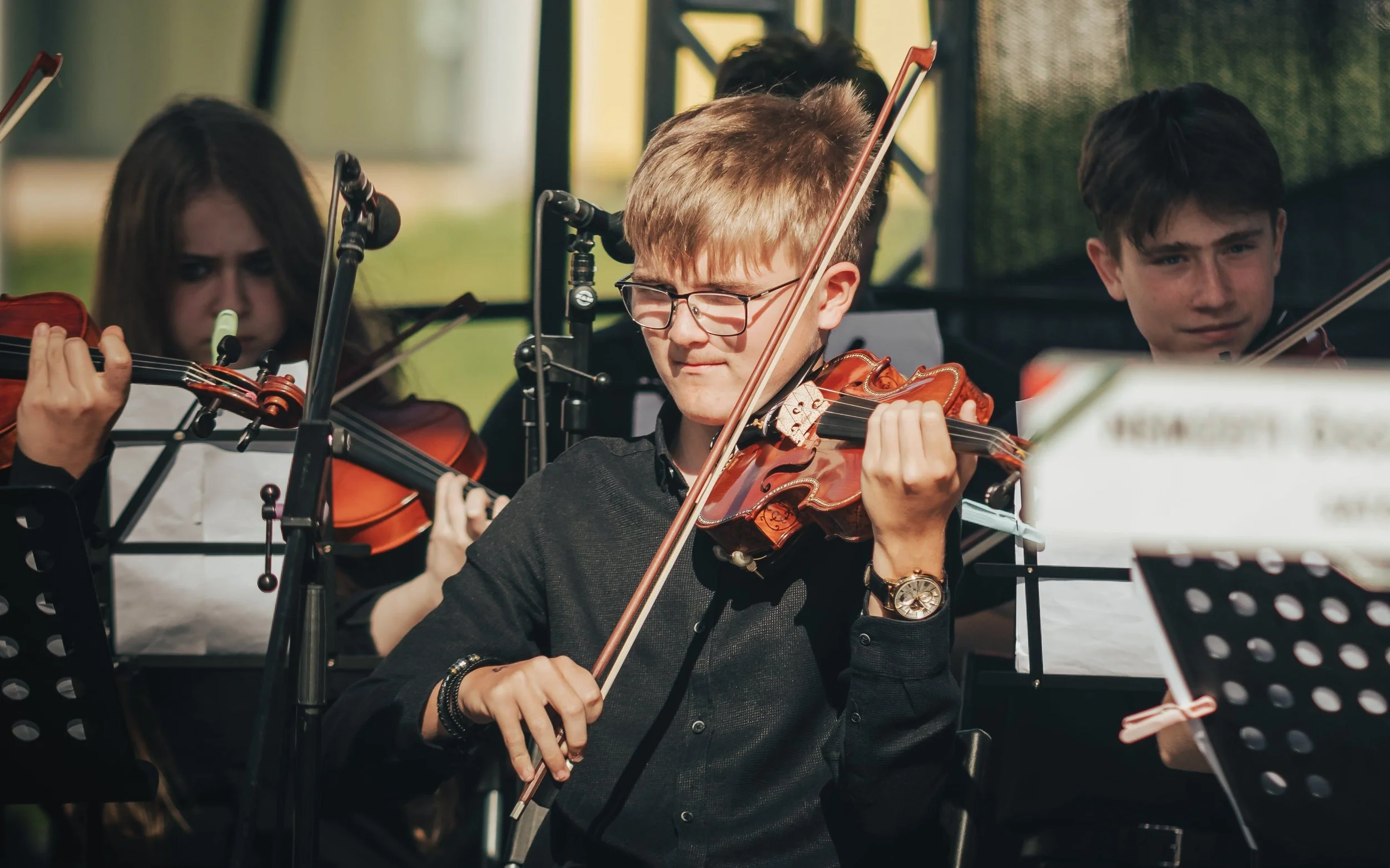
Music teaching is as old as music itself. The relationship between teacher and student, the transmission of skill and expression from one person to another — none of that has changed in centuries.
What has changed is everything around it.
The administrative load of running a studio has grown. Parent expectations around communication have increased. Students are more distracted than any previous generation. And the competition for a child's time and attention — from screens, from sport, from an endless stream of digital entertainment — has never been more intense.
Technology, used well, doesn't change what music teaching is. It supports the teacher in doing it more sustainably, more consistently and more effectively. The key phrase is ‘used well’. Not every tool is worth adopting. But the right tools, in the right places, make a genuine difference.

Where technology actually helps
The most useful technology in a music studio addresses these three things: communication, organisation or student engagement. Everything else is a distraction.
Communication between teacher, student and parent has always been one of the most time-consuming parts of running a studio. Phone calls, text messages, emails, paper notebooks — most teachers are managing multiple channels simultaneously, with no single source of truth for what was discussed, what was assigned or what the student is working on.
Technology that centralises communication — that gives teachers one place to send notes, families one place to receive them, and students one place to find everything they need — removes an enormous amount of friction from the teaching week.
Organisation is the second area where technology delivers real value. Lesson scheduling, payment tracking, student records, repertoire lists — these are administrative tasks that consume hours every week for a growing studio. Tools that automate or streamline even part of this load free up time and mental energy for the teaching itself.
Student engagement between lessons is the third and perhaps most important area. The gap between sessions is where motivation drops, practice becomes inconsistent and students start to disengage. Technology that keeps students connected to their music between lessons — through reminders, accessible notes and visible progress — addresses the single biggest cause of student dropout.
What to look for in a tool
Before adopting any new technology in your studio, it's worth asking three questions.
Does it solve a real problem? The best tools address something that is genuinely causing friction — not just something that seems like it might be useful in theory. If you're not losing students to the practice gap, you don't need a practice tracking tool. If you are — and most studios are — you do.
Is it simple enough that students and parents will actually use it? The most sophisticated tool in the world delivers no value if families don't engage with it. Simplicity is everything. If the barrier to entry is too high, adoption will be low regardless of how good the technology is.
Does it integrate with how you already work? The best tools fit into existing workflows rather than requiring an entirely new way of doing things. A tool that adds steps to a teacher's lesson routine is unlikely to be used consistently. A tool that works for the teacher during a lesson and then runs automatically i
Scheduling and admin tools
For studio scheduling and administration, there are several well-established tools that music teachers use effectively. Online booking systems allow families to schedule and reschedule lessons without back-and-forth communication. Payment platforms automate invoicing and reduce the awkwardness of chasing late payments. Cloud storage gives teachers accessible, organised records for every student without the chaos of paper files.
The right combination depends on the size of the studio and the teacher's existing systems. For smaller studios, even a well-organised Google Calendar and a simple invoicing tool can handle most administrative needs. For larger studios with 20 or more students, a more integrated system becomes worth the investment.
Communication and practice tools
This is where technology makes the most direct impact on student outcomes — and where the right choice matters most.
The traditional approach to student communication — the paper notebook — has well-known limitations. Notes get lost. Instructions get forgotten. Parents have no visibility into what was covered. And teachers have no way of knowing whether the student practiced or what they actually worked on between sessions.
Digital tools that replace the paper notebook address all of these problems simultaneously. When lesson notes are delivered directly to a student's device during every session — complete with photos, videos and links — the information that used to disappear into a school bag is now accessible any time, on demand.
Combined with automated daily practice reminders, this creates the conditions for consistent practice without the teacher having to personally follow up with every family every week.
Technology and the teacher-student relationship
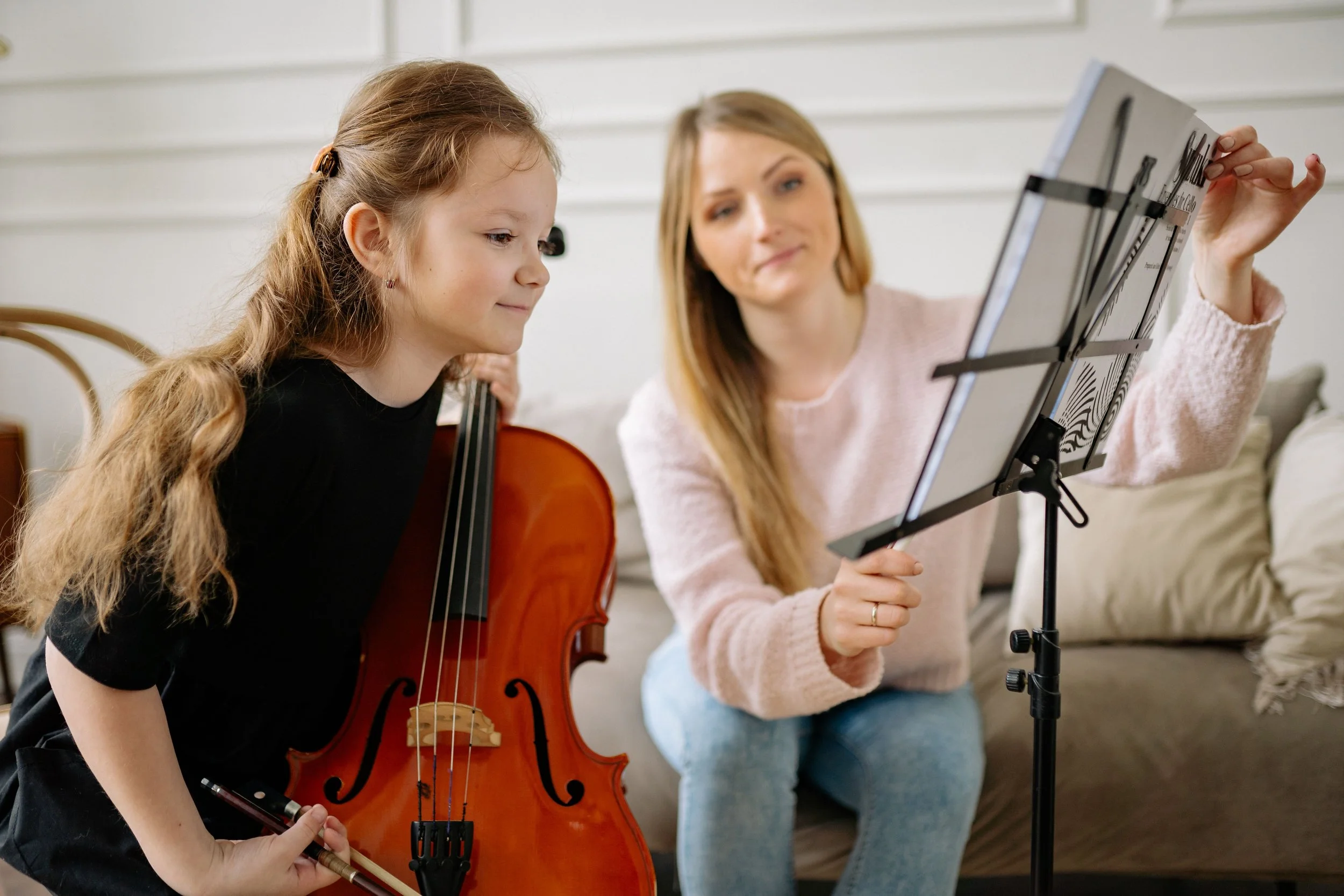
One concern some teachers have about introducing technology into their studio is that it might feel impersonal — that it adds distance to a relationship that is fundamentally human.
The opposite tends to be true in practice.
When the administrative and communication load is handled by well-chosen tools, teachers have more time and mental energy for the relationship itself. When parents are kept informed automatically, the conversations that do happen are more meaningful and less transactional. When students know exactly what to practice and feel supported between lessons, they arrive at the next lesson more prepared and more engaged.
Technology doesn't replace the human elements of music teaching. It protects them by handling the parts that don't need to be human.
How JamTime fits in
JamTime was built specifically for the communication and practice gap — the space between lessons where most studios lose students without ever knowing why.
During every lesson, teachers enter notes directly in the app — text, photos, videos and links, all in one place. Students receive daily practice reminders. Parents see progress in real time. And teachers have a complete record of every student's notes and practice history, accessible any time.
It's not a complicated system. But it addresses the most consistent source of student dropout in music studios — and it does it automatically, without adding extra time to the teacher's week.
Download JamTime free on the App Store.
Visit jamtime.com.au to learn more.
JamTime — practice made simple, progress made real.