How Music Changes the Brain — What Every Parent and Teacher Should Know

There is a reason music has been part of human education for thousands of years.
It isn't tradition for tradition's sake. It isn't simply about producing musicians. It's because learning a musical instrument does something to the brain that almost nothing else does — and the evidence for it has been building for decades.
For parents wondering whether music lessons are worth the investment, and for teachers looking for ways to communicate that value to families, the science is compelling. Understanding what actually happens in a child's brain when they learn an instrument changes how you think about every lesson, every practice session and every moment of resistance along the way.
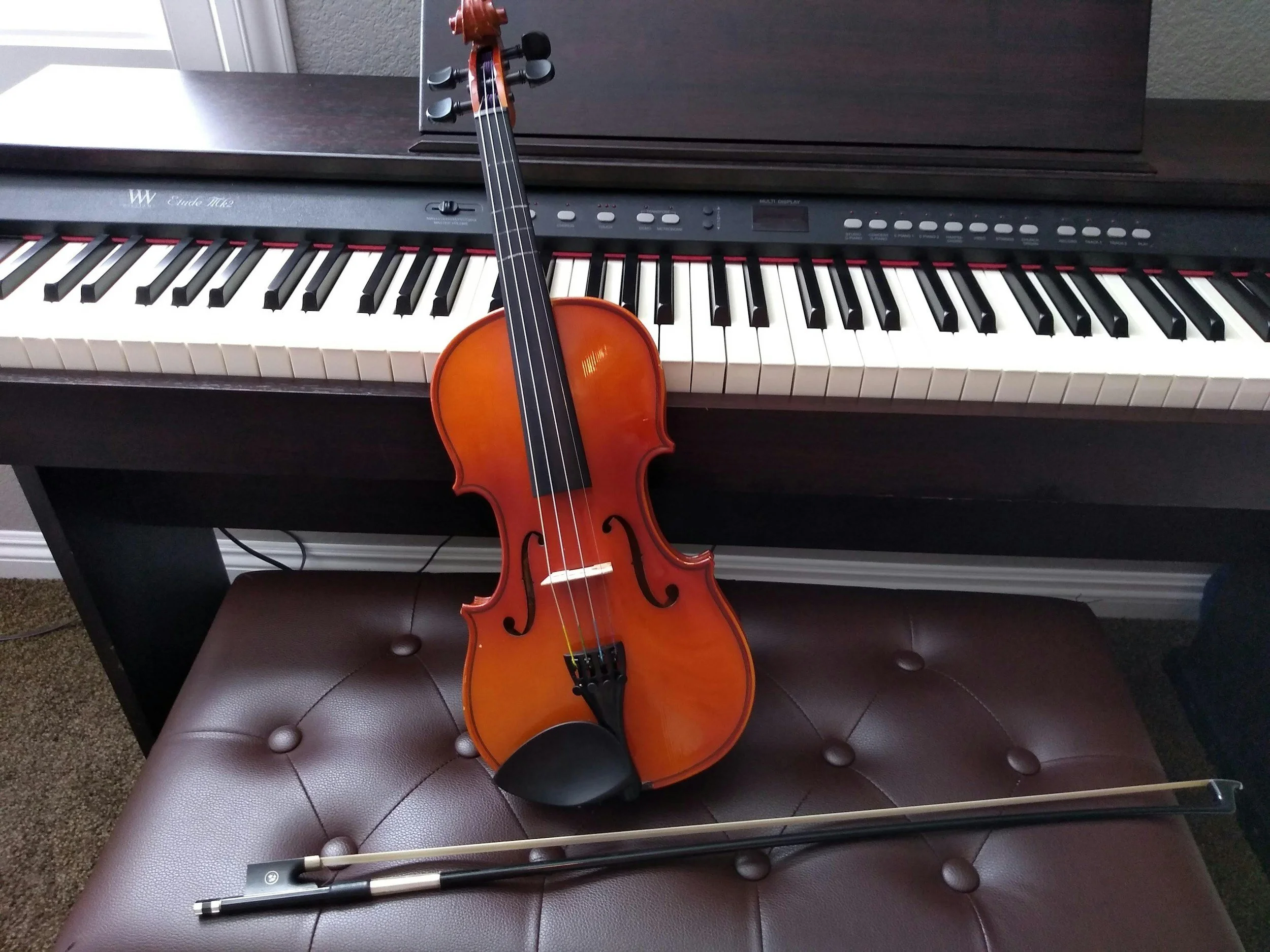
What happens in the brain when a child learns music
Learning a musical instrument engages more areas of the brain simultaneously than almost any other activity.
Reading music activates the visual cortex. Playing activates the motor cortex — in both hands, often independently. Listening and adjusting activates the auditory cortex. Interpreting expression and feeling activates the emotional centres. And coordinating all of it simultaneously activates the prefrontal cortex, which governs planning, decision-making and self-regulation.
In other words, playing an instrument is a full-brain workout — and like any workout, the brain gets stronger the more it does it.
Neuroscientists have found that musicians develop stronger connections between the left and right hemispheres of the brain through the corpus callosum — the neural bridge that allows the two sides to communicate. This enhanced connectivity doesn't just make someone better at music. It improves processing speed, problem-solving ability and the capacity to handle complex information across every area of life.
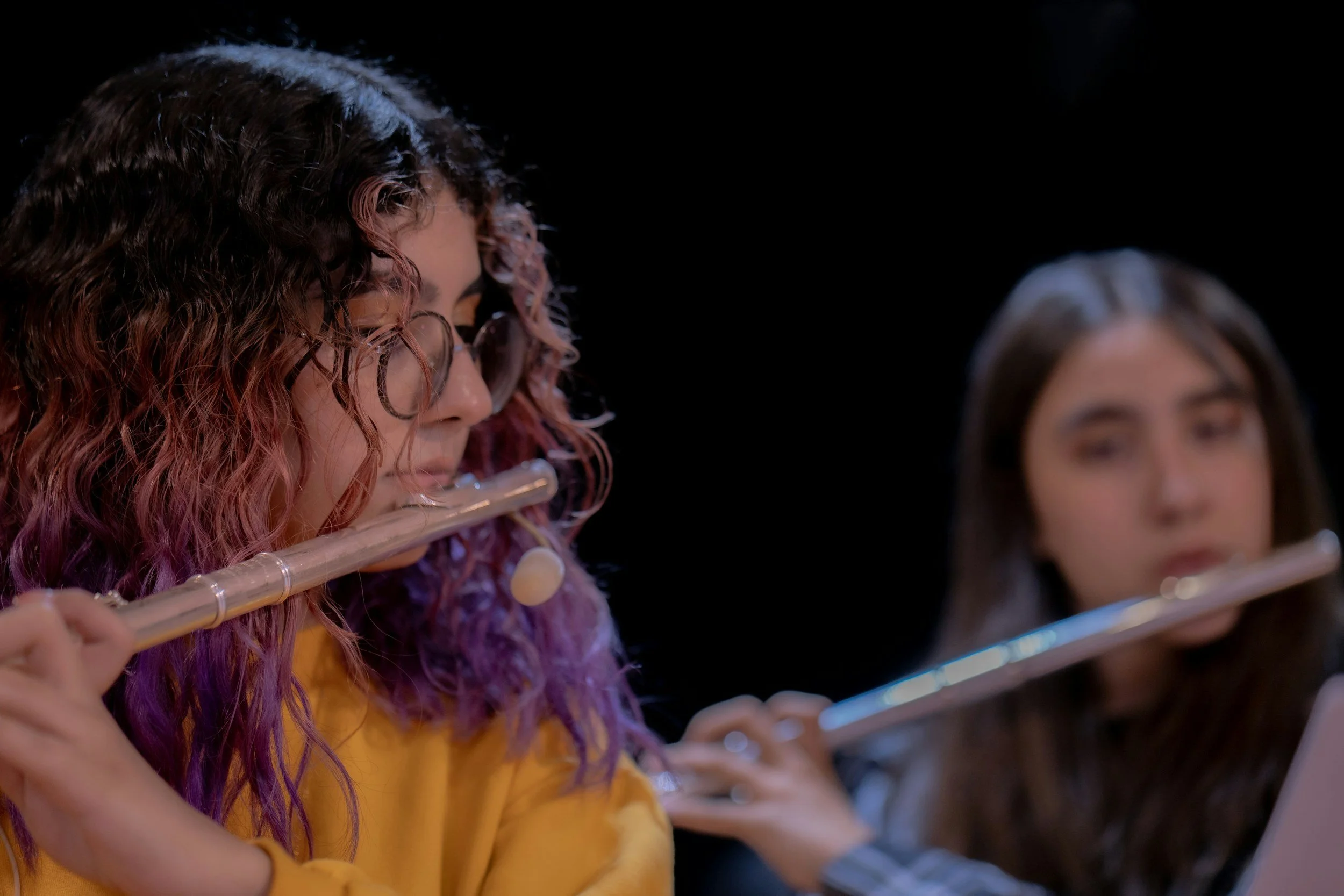
Memory, attention and emotional regulation
Three of the most significant cognitive benefits of music education are improvements in memory, attention and emotional regulation — and these show up consistently across research conducted over several decades.
Children who learn instruments demonstrate stronger working memory than their peers — the ability to hold and manipulate information in the mind in real time. This is the same cognitive function that underlies reading comprehension, mathematical reasoning and the ability to follow multi-step instructions.
Attention is similarly improved. Learning music requires sustained, focused attention over extended periods — exactly the kind of attention that is increasingly difficult for children to develop in a world of constant digital distraction. Regular music practice trains the brain to focus in a way that transfers directly to academic performance.
Emotional regulation — the ability to recognise, understand and manage one's own emotional responses — is also strengthened through music education. Playing an instrument requires a child to sit with frustration, persist through difficulty and find satisfaction in gradual improvement. These experiences, repeated over months and years, build emotional resilience that extends far beyond the music room.
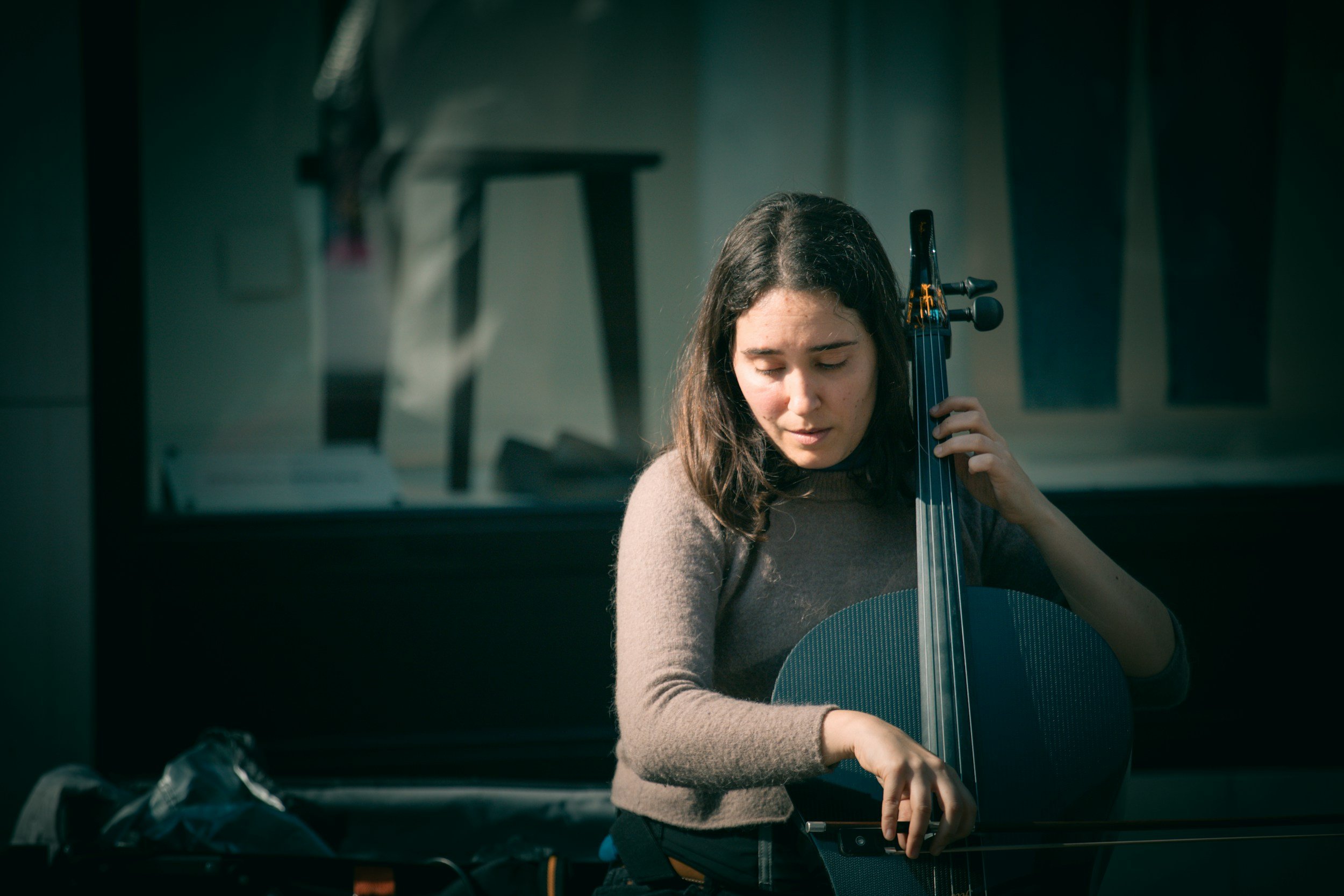
Academic performance
The connection between music education and academic performance is one of the most consistently replicated findings in educational research.
Students who participate in music education consistently outperform their non-musical peers in reading, mathematics and standardised testing. Studies have found differences of up to 17% in standardised test scores between students who receive music education and those who don't — a finding that holds across different countries, socioeconomic backgrounds and educational systems.
The mechanisms behind this are well understood. The same cognitive skills that music develops — working memory, sustained attention, processing speed, pattern recognition — are precisely the skills that underpin academic success. Music doesn't just make children smarter in some vague, general sense. It builds the specific mental tools that academic learning requires.
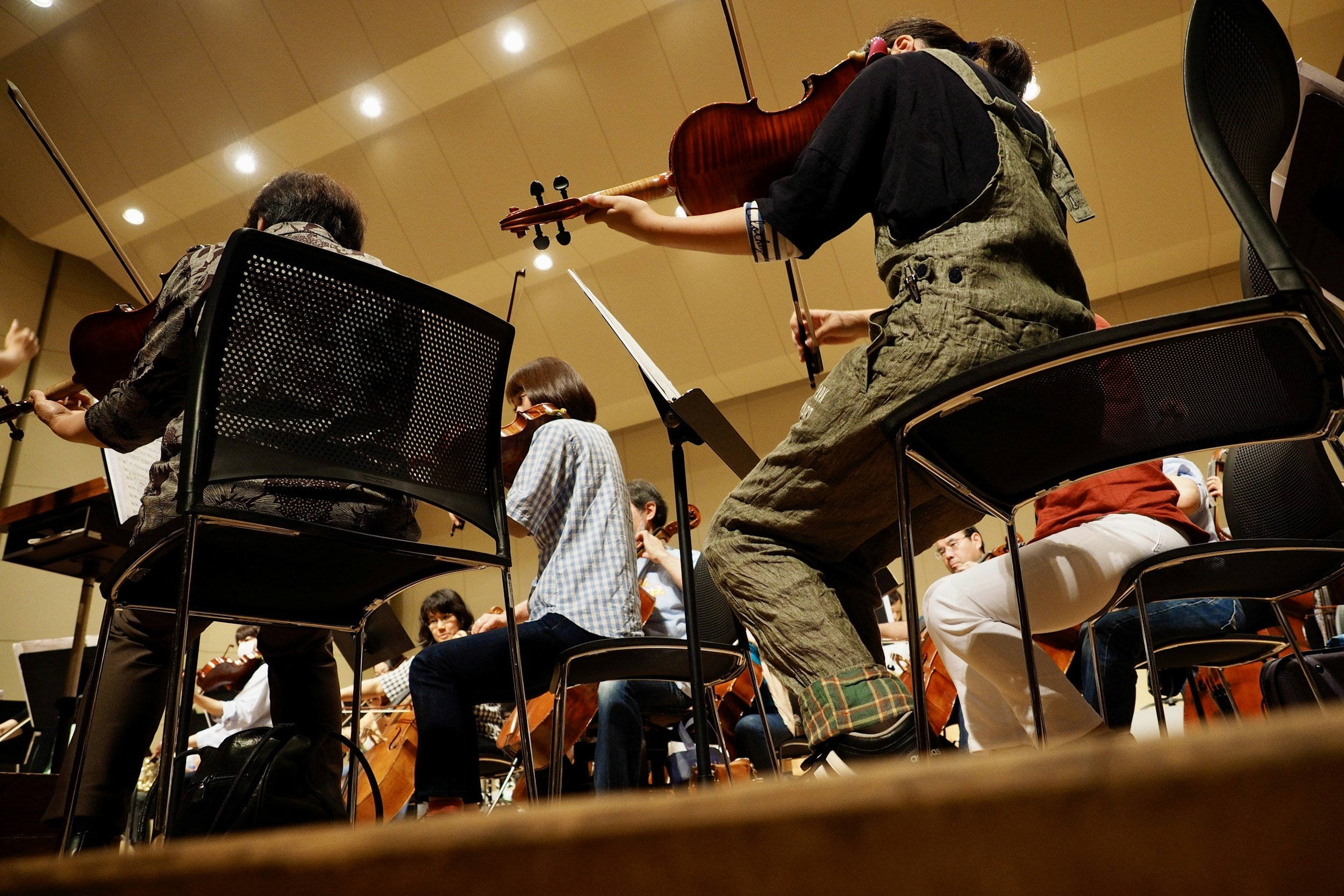
What this means for practice
Understanding the neuroscience of music education changes how you think about practice.
Every time a child sits down to practice — even for 10 focused minutes — they are not just working on a piece of music. They are strengthening neural pathways. They are building memory capacity. They are training attention. They are developing emotional resilience.
This reframes the practice battle entirely. It's not about getting the piece right before Thursday's lesson. It's about building a brain that works better in every context — at school, in relationships, in every challenge the child will face in life.
For parents who are tired of the daily practice negotiation, this perspective is worth holding onto. The child who practices consistently isn't just becoming a better musician. They're becoming a better learner, a more focused student and a more emotionally resilient person.
For teachers, it's a reminder that what happens in the lesson room — and in the practice sessions that follow — matters far beyond music.

Consistency is everything
The brain benefits of music education are not delivered by occasional lessons or sporadic practice. They accumulate through consistency — regular, repeated engagement over months and years.
This is why the gap between lessons matters so much. A student who practices daily between sessions is giving their brain repeated opportunities to consolidate and strengthen what was learned in the lesson. A student who doesn't practice until the day before the next lesson is missing most of the neurological benefit that music education offers.
The lesson plants the seed. Consistent practice is what makes it grow.
How JamTime supports this
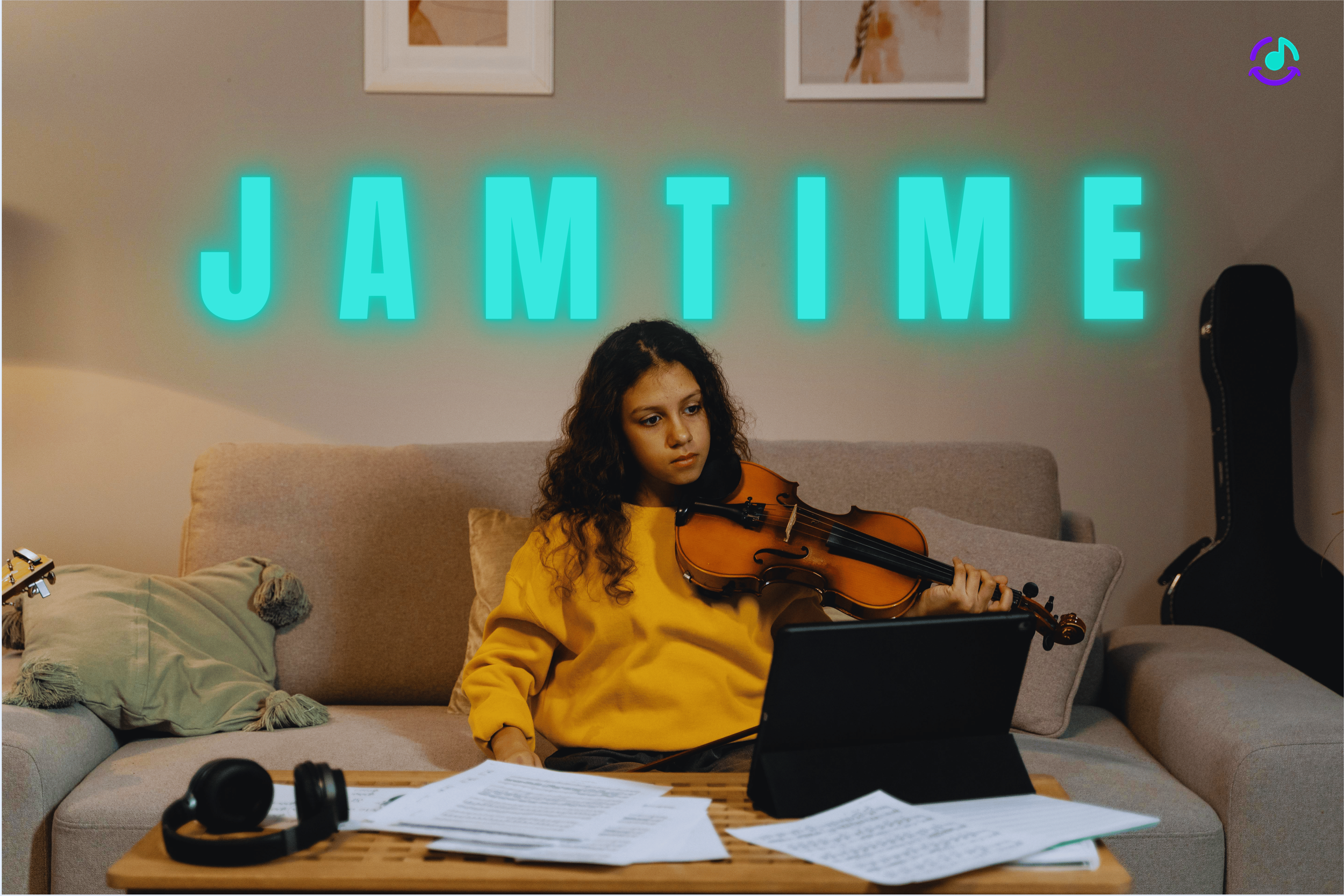
JamTime was built around exactly this principle. Daily practice reminders keep students engaged between lessons consistently rather than occasionally. Lesson notes embedded in the app by their teacher give students clear direction so every practice session is focused and purposeful. And the practice streak makes consistency visible — giving students a tangible reason to show up every day.
Because the science is clear: it's not just the lessons that change the brain. It's what happens between them.
Download JamTime free on the App Store.
Visit jamtime.com.au to learn more.
JamTime — practice made simple, progress made real.