How to Build a Music Studio Parents Trust
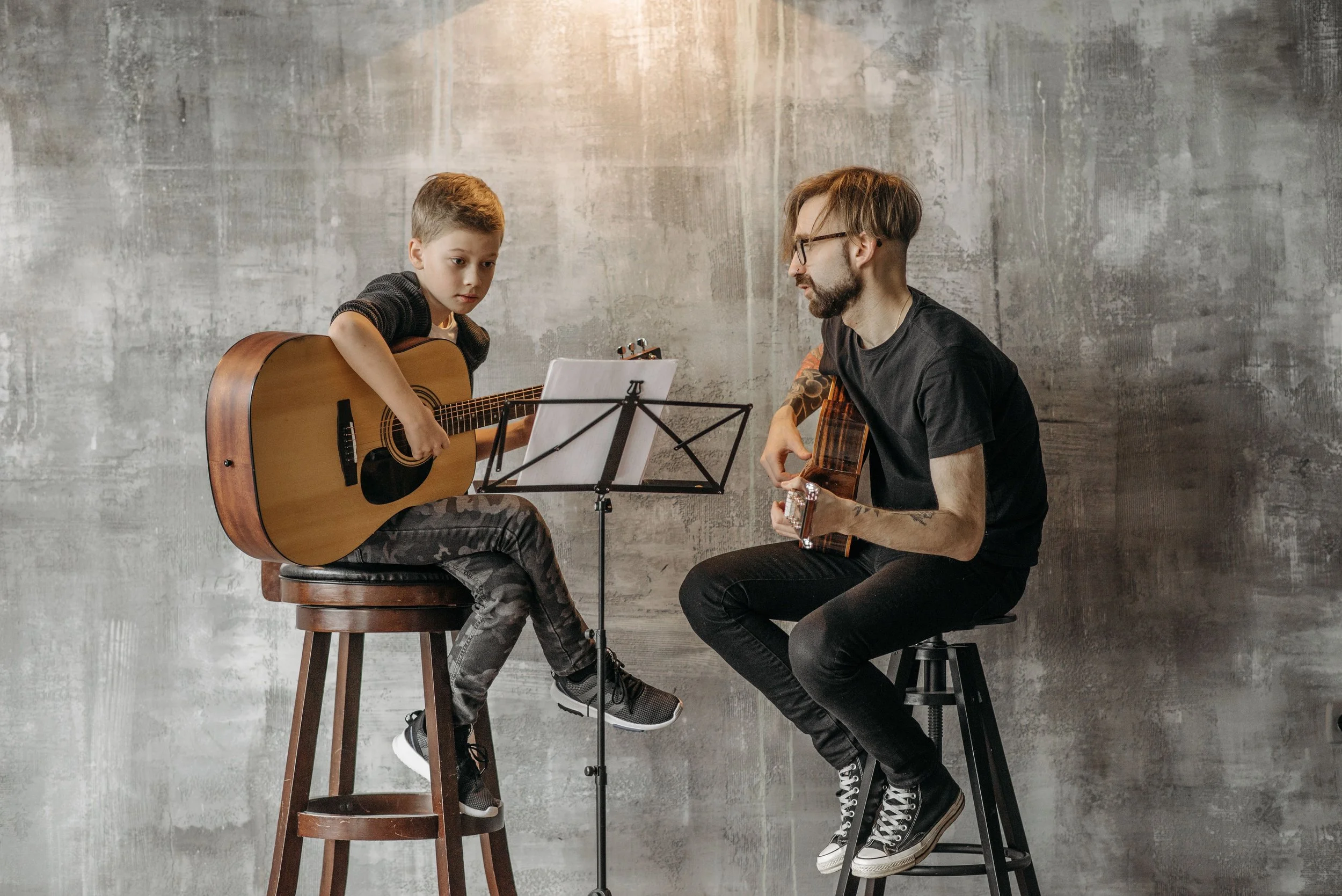
Trust is the foundation of every successful music studio.
Not talent. Not qualifications. Not even results — at least not at first.
Before a parent sees their child improve, before they experience what a great lesson looks like, before they have any evidence that enrolling was the right decision — they make a judgement call based entirely on how much they trust the teacher in front of them.
That first impression of trust — or its absence — shapes everything that follows. How engaged the family is at home. How willing the parent is to encourage practice. How long the student stays enrolled. Whether the family refers their friends.
The good news is that trust is buildable. It's not a personality trait or an innate quality — it's the result of consistent, specific actions taken over time. And the music teachers who build the most trusted studios know exactly what those actions are.
Start Before the First Lesson
Trust building begins before a student even walks through the door.
The way a teacher responds to an initial inquiry sets the tone for the entire relationship. A prompt, professional, warm response signals that this teacher is organised, communicative and values the family's time. A delayed or vague response signals the opposite — even if that's not the intention.
A clear, written studio policy shared with every new family before the first lesson removes ambiguity and builds confidence. When parents know exactly what to expect — lesson structure, practice expectations, payment terms, cancellation policy — they arrive at the first lesson already feeling informed and respected.
First impressions extend to the physical environment too. A studio that is clean, organised and prepared communicates professionalism before a single note is played.

Communicate Consistently and Specifically
Nothing builds parental trust faster than consistent, specific communication — and nothing erodes it faster than silence.
Parents who feel informed are parents who feel involved. And parents who feel involved become the studio's strongest advocates — encouraging practice at home, renewing enrolments without hesitation and recommending the teacher to other families without being asked.
Consistent communication doesn't mean constant communication. It means reliable communication — a brief note after every lesson, a clear answer when a question is asked, a proactive message when something relevant happens rather than waiting to be asked.
Specific communication matters as much as consistent communication. "Great lesson today" tells a parent nothing. "We worked on the transition between the verse and the chorus — ask her to play it through slowly three times before Thursday" gives the parent something to work with. That specificity is what makes parents feel genuinely informed rather than patronised with vague positivity.

Make Progress Visible
Parents often struggle to assess whether their child is actually improving. They're often not musicians. They don't have a frame of reference. And when they can't see progress, they start to question whether the investment is worthwhile.
Making progress visible — through specific feedback, milestone acknowledgements and progress tracking — removes that doubt before it becomes a reason to quit.
This doesn't require elaborate systems. A simple note acknowledging a specific improvement — "Jakob nailed the section he's been working on for three weeks today — he should be really proud" — gives the parent something concrete to celebrate with their child at home. That conversation between parent and child about a specific musical achievement does more for retention than almost anything else.
Be Transparent About Challenges
Trust is built not just by sharing wins but by being honest about challenges.
Parents who are surprised by a problem — a student who has been struggling for weeks without the teacher mentioning it — feel blindsided. That surprise erodes trust, even if the teacher had good intentions in staying quiet.
Parents who are kept informed about challenges as they arise — and who are given a clear plan for addressing them — feel like partners rather than passengers. That partnership is one of the most powerful retention tools a studio owner has.
Follow Through Consistently
Trust is ultimately built on one thing — doing what you say you're going to do, consistently, over time.
The teacher who says they'll send notes after every lesson and does. The teacher who says they'll let parents know if something changes and does. The teacher who sets a practice expectation and follows up on it. These consistent small actions accumulate into something much larger — a reputation as someone whose word means something.
Inconsistency, on the other hand — even well-intentioned inconsistency — quietly undermines trust. Parents notice when the notes stop coming. They notice when the communication that used to be reliable suddenly isn't. And once they start noticing, they start wondering.
How JamTime Helps
JamTime makes the consistent, specific communication that builds trust easier to maintain — lesson notes delivered directly to students and visible to parents after every session, practice reminders that arrive without the teacher having to remember, and progress tracking that gives parents a real-time view of how their child is doing between lessons.
When parents can see what their child is working on, how often they're practicing and what the teacher thinks of their progress — without having to ask — trust builds naturally and consistently.
Download JamTime free on the App Store.