How to Organise Your Music Studio

A well-organised music studio does something that most teachers underestimate — it teaches before the lesson even begins.
When a student walks into a space that is calm, prepared and professional, they arrive in a different headspace than one who walks into clutter and chaos. The physical environment of a studio communicates something about how seriously the teacher takes their craft — and by extension, how seriously the student should take theirs.
Organisation in a music studio isn't about aesthetics. It's about function, professionalism and creating the conditions in which great teaching can happen consistently.
The Physical Space
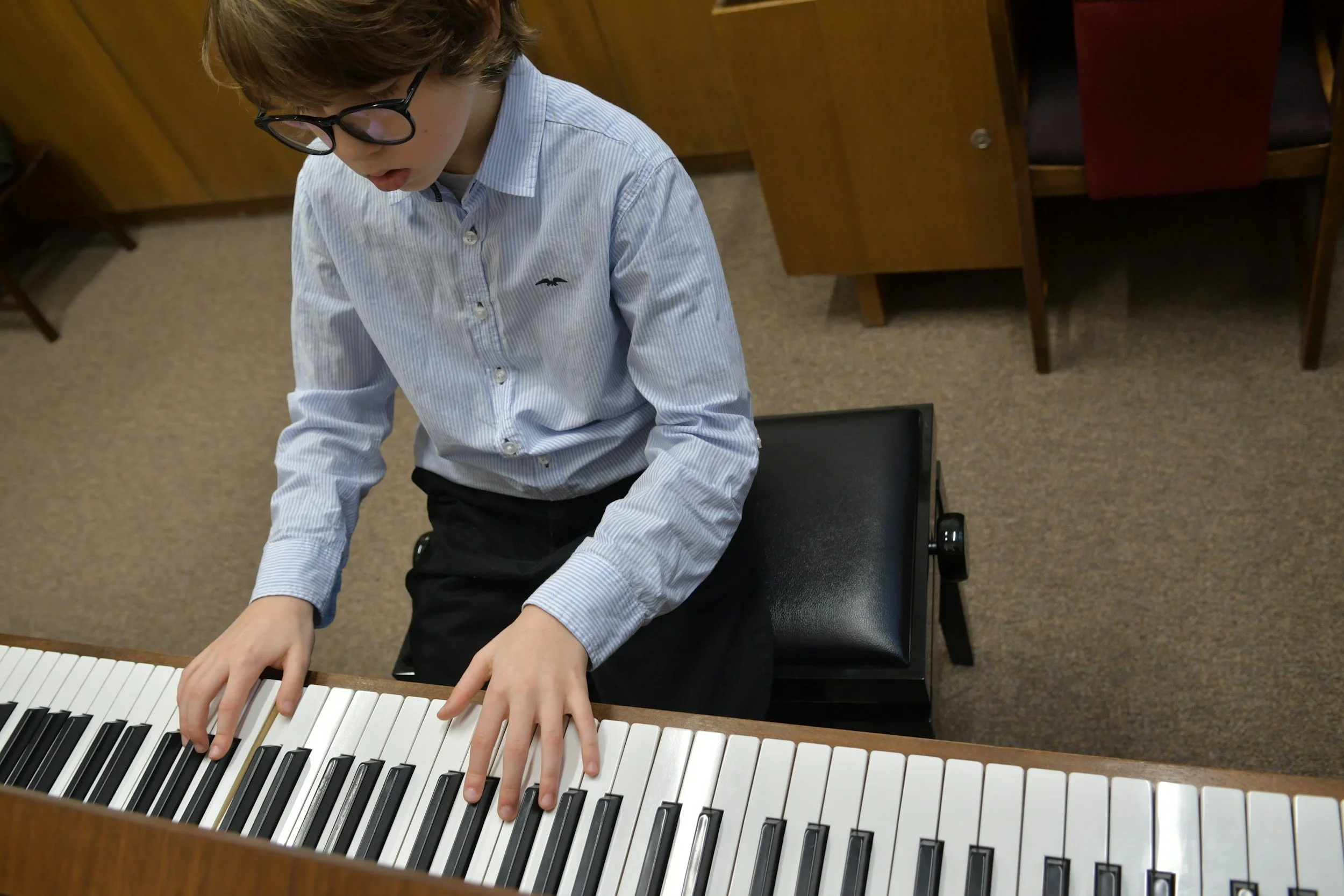
Start with what the student sees first.
The area immediately around the instrument should be clear of anything that doesn't belong there. Sheet music in use should be accessible and organised — not buried under last term's materials. Pencils, erasers and any other lesson tools should have a designated spot so they're never being searched for mid-lesson.
Storage matters more than most teachers realise. Sheet music that isn't currently in use should be filed and labelled — by student, by grade, or by composer, depending on what works best for your teaching style. A filing system that takes two minutes to set up saves hours of searching over the course of a year.
If your studio doubles as another room in your home — a living room, a spare bedroom — clear boundaries between the lesson space and the personal space make a significant difference to how professional the environment feels for students and families.

Your Student Records
One of the most time-consuming aspects of running a music studio is keeping track of what each student is working on, what was covered in previous lessons, and what needs to be revisited.
The teachers who handle this most efficiently have a consistent system — not because they're naturally organised, but because they made a decision at some point to stop keeping everything in their heads.
Whether it's a physical folder for each student or a digital system, the principle is the same: lesson notes, repertoire lists, exam records and any relevant parent communication should be accessible quickly and consistently. Before each lesson, a teacher who can glance at last week's notes in seconds is in a fundamentally different position than one who has to reconstruct the session from memory.
Your Schedule and Communication
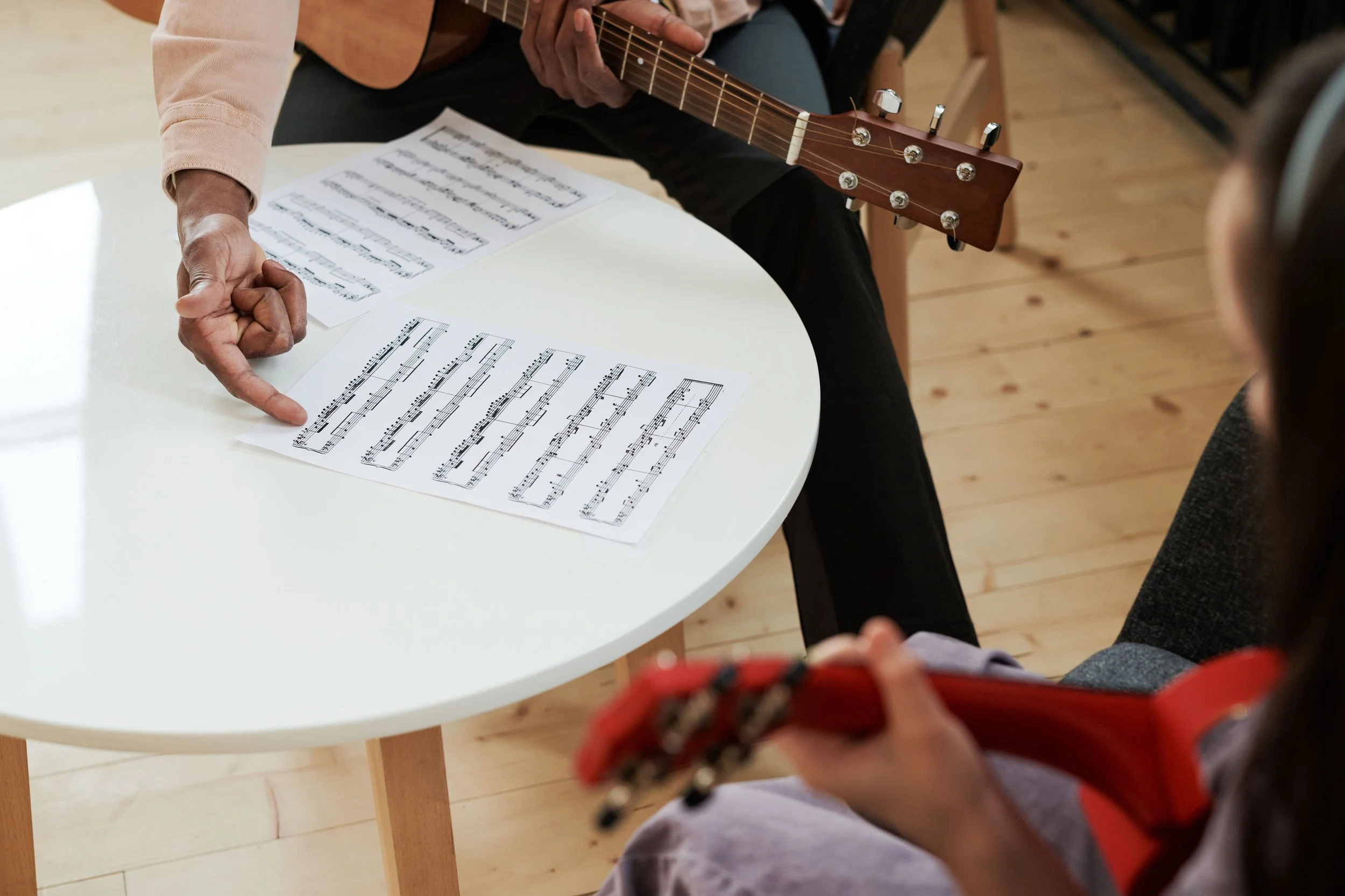
Studio scheduling is one of the most common sources of administrative stress for music teachers — particularly as a studio grows.
A clear, consistent policy around scheduling communicated to all families upfront removes most of the friction. Which days and times are available. How much notice is required for cancellations. What happens when a lesson is missed. When fees are due and how they are paid.
These policies don't need to be complex. They need to be written down, shared with every family at enrolment and applied consistently. Inconsistency is where most conflicts begin.
Your Practice System
A well-organised studio isn't just about what happens inside the lesson room. It's about what happens in the days between lessons.
The teachers who run the most organised studios have a consistent system for communicating with students between sessions — not just a hope that students will remember what was said. Practice instructions documented and delivered after every lesson. Reminders that go out at a consistent time. A record of what each student has been working on that both teacher and student can refer back to.
This system doesn't have to be complicated. But it does have to exist. Without it, the organisation that exists inside the studio disappears the moment the student walks out the door.

Digital Organisation
Most music teachers are now managing some combination of digital and physical materials — and the digital side is often where organisation breaks down first.
Emails from parents, invoices, scheduling apps, lesson planning documents — without a system, these accumulate into a cluttered digital environment that costs time and mental energy every day.
A few simple habits make an enormous difference: a dedicated folder for each student in your email or cloud storage, a consistent naming convention for documents, and a weekly admin block where everything gets filed and actioned rather than left scattered across multiple inboxes and apps.
The Payoff
An organised studio doesn't just run more smoothly. It grows more easily.
When your systems are in place — physical, administrative and digital — adding a new student creates very little additional friction. The same process that works for 10 students scales to 20 and then 30 without requiring proportionally more of your time and energy.
Organisation is what makes a studio sustainable. And a sustainable studio is one that keeps serving students — and its teacher — for the long term.
How JamTime Helps
JamTime brings organisation to the part of studio management that most teachers find hardest to systematise — the space between lessons. Student notes stored in one place, accessible any time. Practice reminders that go out automatically. Progress visible without anyone having to ask.
It won't organise your sheet music. But it takes the most time-consuming administrative tasks off your plate so you can focus on the ones only you can do.
Download JamTime free on the App Store.