What to Do When Your Child Wants to Quit Music

It happens in almost every music family at some point.
The child who begged for lessons is suddenly done. The instrument that lived on the kitchen table has migrated to the corner of the bedroom. Practice has become a battle. And now, with a mixture of relief and guilt, your child is telling you they want to stop.
Before you make any decisions, it's worth understanding what's actually happening — because wanting to quit music is rarely about music.

Why Children Want to Quit
The desire to quit usually arrives at one of a few predictable moments: after the initial excitement wears off, when a piece feels too hard, when a friend stops lessons, or when something else — sport, screen time, social life — starts competing for the same hours.
None of these are reasons to quit. They're reasons to pause and look more closely at what's really going on.
In most cases, a child who wants to quit is experiencing one of three things: a motivation dip, a difficulty plateau, or a mismatch between their expectations and the reality of learning an instrument. All three are completely normal. All three are temporary. And all three look identical from the outside — a child who says they don't want to play anymore.
The mistake most families make is taking that statement at face value.

The Motivation Dip
Every student who sticks with music long enough hits a motivation dip. Usually it arrives somewhere between six months and two years into lessons — after the novelty has worn off, but before the student has developed enough skill to experience the real rewards of playing.
This is the hardest period in a musical journey. The student is good enough to know what they can't do yet, but not good enough to fully enjoy what they can. It feels like being stuck — and being stuck feels like a reason to stop.
The motivation dip is not a sign that your child isn't musical or doesn't really want to play. It's a sign that they're in the middle of the process. The students who push through this period almost universally look back grateful that they did. The ones who stop almost universally wish they hadn't.

The Difficulty Plateau
Sometimes the desire to quit is triggered by a specific piece or skill that feels genuinely out of reach. The student has been working on something for weeks and doesn't feel like they're getting anywhere. That feeling of stagnation is deeply discouraging — especially for children who are used to picking things up quickly.
If this sounds familiar, talk to the teacher before making any decisions. A simple change — a different piece, a different approach, a temporary step back to easier material — can completely shift the dynamic. What looks like a dead end is usually just a corner.
What Not to Do

Talk to the teacher first. A good music teacher has seen this before — many times. They may have already noticed the shift in motivation and have ideas for how to address it. They may suggest a change of repertoire, a short break, a different practice structure, or simply a conversation with the student about what's going on.
Give it a defined break rather than a permanent quit. If the resistance is strong, offer a four-week pause rather than stopping lessons entirely. Frame it as a rest, not a goodbye. More often than not, the four weeks away reminds the student of what they actually enjoy about playing.
Let the student have some ownership. Sometimes the desire to quit is really a desire for more control. Letting a student choose their next piece, set their own practice goals, or have input into how lessons are structured can shift the dynamic significantly. When music feels like something they're doing rather than something being done to them, motivation tends to return.
Focus on progress, not perfection. Children who can see how far they've come are far less likely to quit than those who are only focused on how far they have to go. Celebrating specific improvements — a section they couldn't play last month, a technique they've mastered, a streak of consistent practice — reminds students that they are moving forward, even when it doesn't feel like it.

A Word on Practice
Many quit conversations are really practice conversations in disguise. When practice is a daily battle, lessons start to feel like an obligation rather than something to look forward to. Fixing the practice problem often fixes the quit problem.
Short, specific, consistent practice — guided by clear notes from the teacher and supported by daily reminders — is what keeps students engaged between lessons. When students know exactly what to work on and can see their own progress, the instrument stops feeling like a chore.
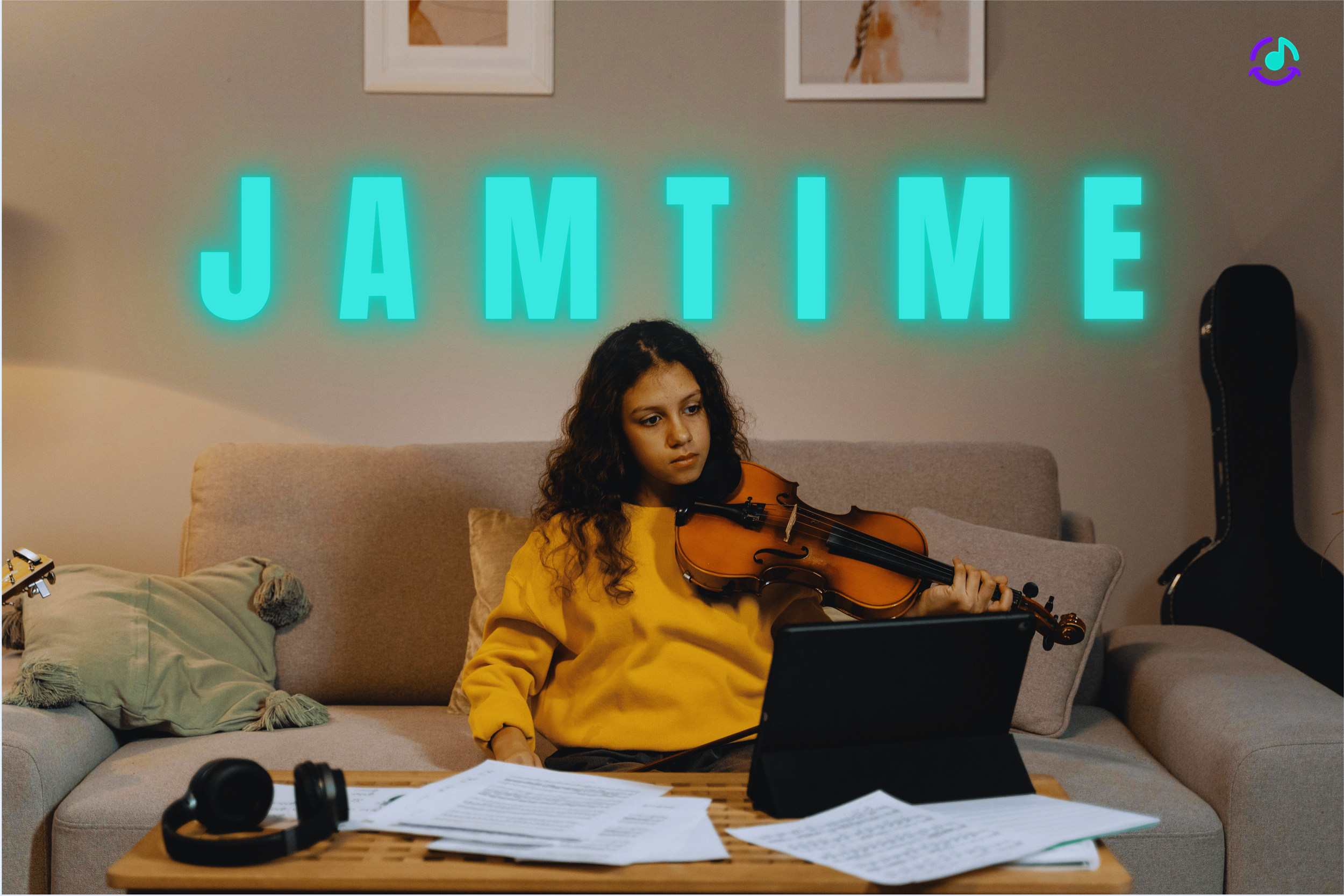
How JamTime Helps
JamTime keeps students connected to their music between lessons — with lesson notes that tell them exactly what to practice, daily reminders that make practice a habit, and a practice streak that gives them a visible, personal reason to keep going.
When practice feels manageable and progress feels real, quit conversations happen a lot less often.
Download JamTime free on the App Store.
Visit jamtime.com.au to learn more.
JamTime — practice made simple, progress made real.