How to manage difficult conversations with parents

Every music teacher has one. The parent who emails at nine o'clock at night expecting a response before morning. The one who questions every decision you make in the lesson room. The one who insists their child is ready for grade six when they've been on grade two pieces for the past six months.
Challenging parents are an unavoidable part of running a music studio. How you handle them determines not just whether that student stays enrolled — but whether your studio maintains the professional reputation that attracts families in the first place.
The good news is that most difficult parent behaviour comes from one of three things: anxiety about their child's progress, a lack of information about what's actually happening in lessons, or mismatched expectations that were never properly addressed at the start. Fix those three things and most difficult situations become manageable ones.

Why Parents can be Difficult
It's worth understanding the root cause before reaching for a solution.
Music education is a significant investment for most families. Parents are paying for lessons every week, driving to and from the studio, and encouraging practice at home — often without a clear picture of whether any of it is working. That uncertainty creates anxiety. And anxious parents, when they feel out of the loop, tend to fill the gap with assumptions — often negative ones.
The parent who seems to be questioning your teaching methods is often just a parent who doesn't understand what you're doing or why. The parent who pushes for faster progress is often one who has no frame of reference for how long musical development actually takes. The parent who sends too many messages is often one who hasn't been given a clear channel or expectation for communication.
Most difficult parent behaviour is a communication problem wearing the costume of a personality problem.

Set Expectations Before Problems Arise
The most effective thing a music teacher can do to manage parent expectations is to set clear parameters before any problem has a chance to develop.
This means having a clear, written policy that every family receives before the first lesson. Payment terms. Cancellation policy. What happens when a lesson is missed. Practice expectations. Progress expectations. How and when parents can contact you.
When expectations are documented and agreed to upfront, there is no ambiguity. A parent who agreed in writing to a 24-hour cancellation policy has very little ground to stand on when they expect a refund or catchup for a lesson missed with two hours notice. A simple welcome document or studio policy guide — given to every new family at enrolment — handles the majority of potential for conflict before it starts.

Communicate Proactively and Consistently
Challenging parents almost always become more difficult when they feel uninformed. The solution is to stay ahead of them with consistent, proactive communication.
Brief notes after every lesson. A clear summary of what was worked on and what to practice at home. An occasional acknowledgment of progress milestones. These small touches keep parents informed and invested — and an informed, invested parent has very little reason to become a difficult one.
When parents know what their child is working on, why it matters, and how their child is progressing, the questions stop. The late-night emails stop. The unsolicited opinions about teaching methods stop. Not because the parent changed — but because the anxiety driving that behaviour has been addressed.

Handle Conflict Directly and Professionally
When a parent does question you despite your best efforts, the worst thing you can do is avoid the conversation.
Avoidance allows resentment to build on both sides. The parent feels dismissed. You feel increasingly frustrated. The student ends up caught in the middle of a relationship that has quietly deteriorated.
Address concerns directly, calmly and professionally — ideally in person or by phone rather than in writing, where tone is easily misread. Listen fully before responding. Acknowledge their concern without necessarily agreeing with it. Then state your position clearly and explain your reasoning.
Most parents, when they feel genuinely heard, become significantly easier to deal with. The goal is not to win the argument — it is to restore a functional working relationship that serves the student.

Know When to End the Relationship
Not every difficult parent situation is fixable. Some parents are simply incompatible with how you run your studio — and no amount of communication, patience or professionalism will change that.
When a parent's behaviour is consistently disrespectful, undermines your teaching in front of their child, or creates a level of stress that is affecting your ability to teach effectively, it is entirely appropriate to end the professional relationship.
This is not a failure. It is a boundary. And maintaining professional boundaries is one of the most important things a studio owner can do for the long-term health of their business and their own wellbeing.
When ending a relationship, do so professionally and without drama. Give reasonable notice. Wish the family well. Keep the door open if circumstances change. And move on without guilt — your studio, your energy and your remaining students will all benefit from the decision.
The Role of Systems in Reducing Conflict
Many of the most common sources of parent conflict — missed practice, unclear expectations, lack of progress visibility — can be significantly reduced by putting the right systems in place.
When parents can see their child's practice streak in real time, they don't need to ask how the week went. When lesson notes are delivered directly to the student after every session, there's no confusion about what to practice. When studio policies are documented and accessible, there's no room for "I didn't know."
Good systems don't just make your studio run more smoothly — they remove the conditions that make difficult behaviour possible in the first place.
How JamTime Supports This
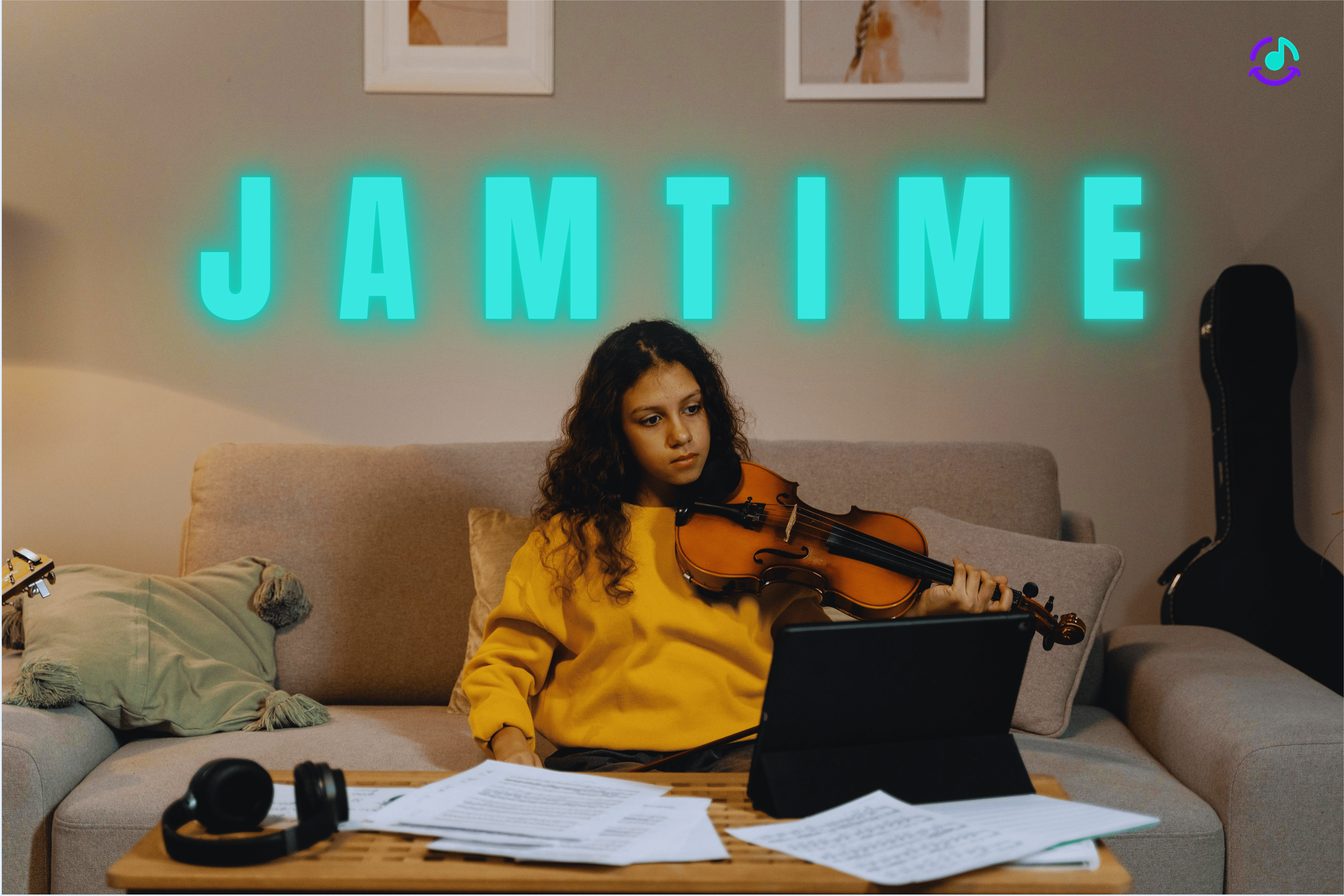
JamTime keeps parents informed automatically — practice streaks, lesson notes and progress updates visible in real time without the teacher having to send a single additional message. When parents are informed, they're engaged. And engaged parents are almost never difficult ones.
Download JamTime free on the App Store.
Visit jamtime.com.au to learn more.