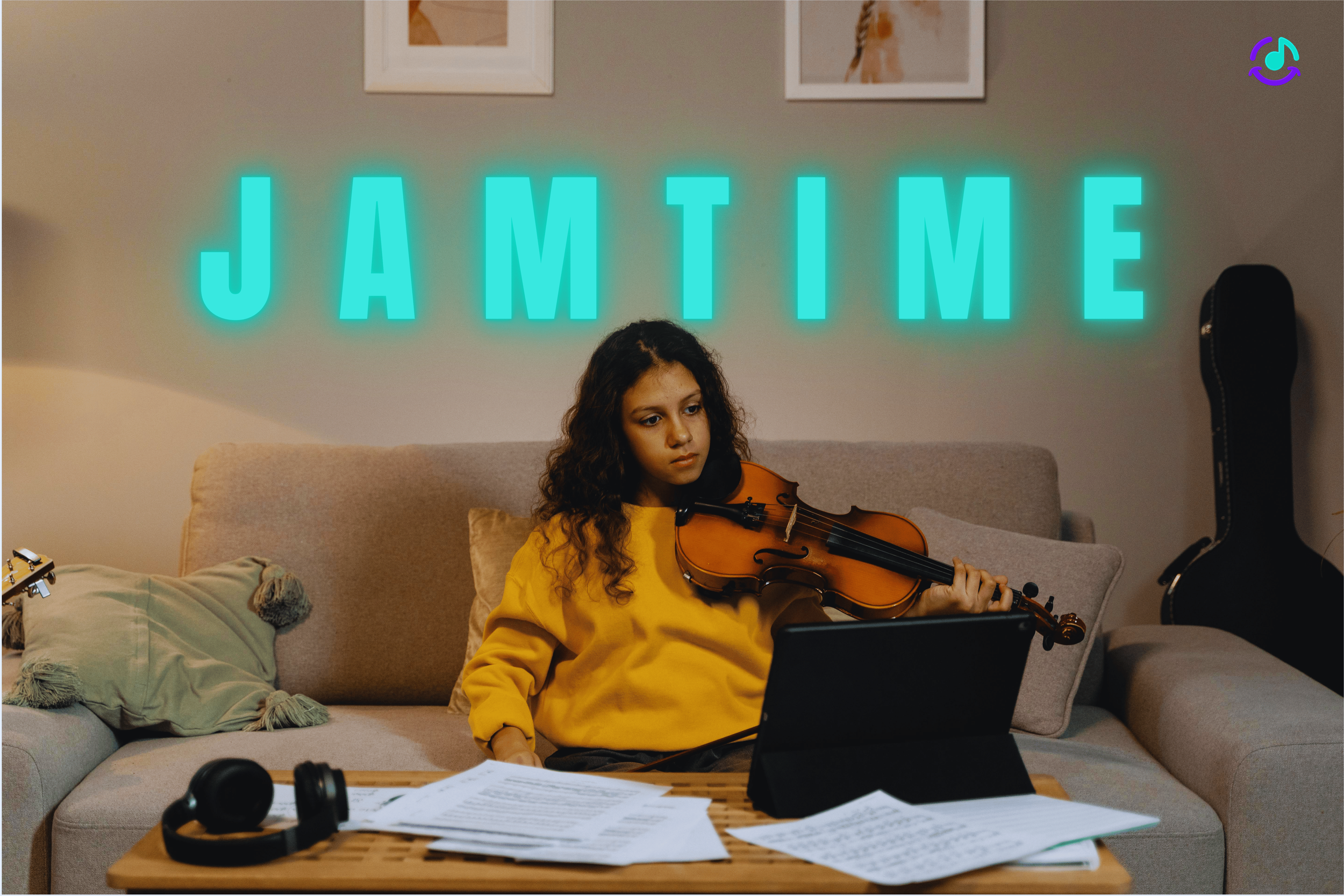
Why Students Quit Music — And What You Can Do About It
Most students don't quit because they lack talent. They quit because of what happens between lessons.

Every music teacher has experienced it. A student shows real promise. The lessons are going well. And then, quietly, they stop coming.
No dramatic announcement. No clear reason. Just a text from a parent saying they won't be continuing.
It happens more than most people in music education like to admit. And while it's easy to blame busy schedules, competing activities, or a lack of natural ability — the research tells a different story.
Most students quit music for reasons that are entirely preventable.
The Real Reasons Students Quit
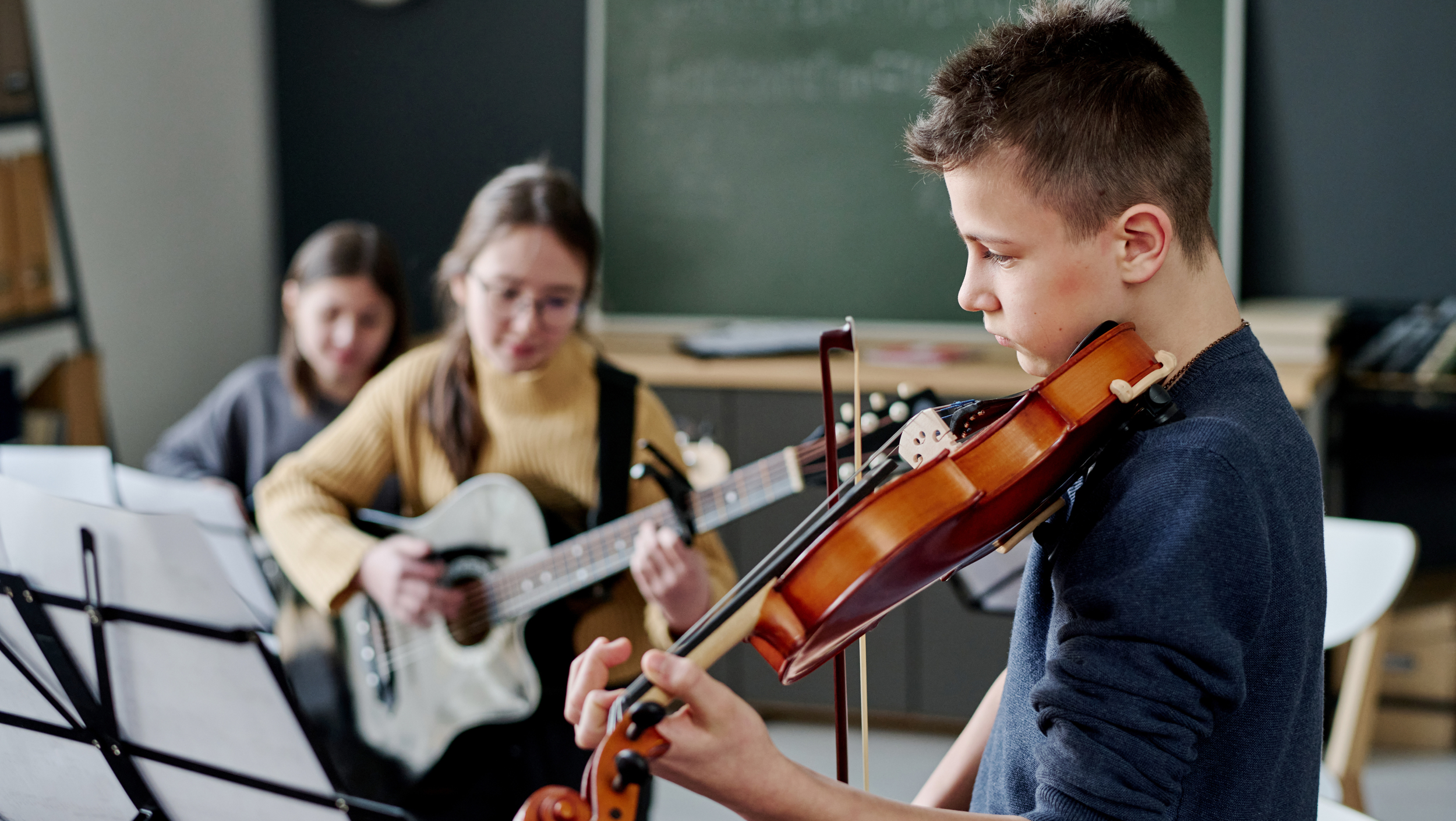
Practice stops being a habit
The number one reason students disengage from music is inconsistent practice between lessons. When students don't practice regularly, they stop improving. When they stop improving, lessons feel pointless. When lessons feel pointless, quitting becomes the logical next step.
It's a slow slide that happens one skipped practice session at a time.
The fix isn't more pressure — it's better structure. Students who have a consistent daily practice routine, even a short one, progress faster and stay enrolled significantly longer than those who practice sporadically.
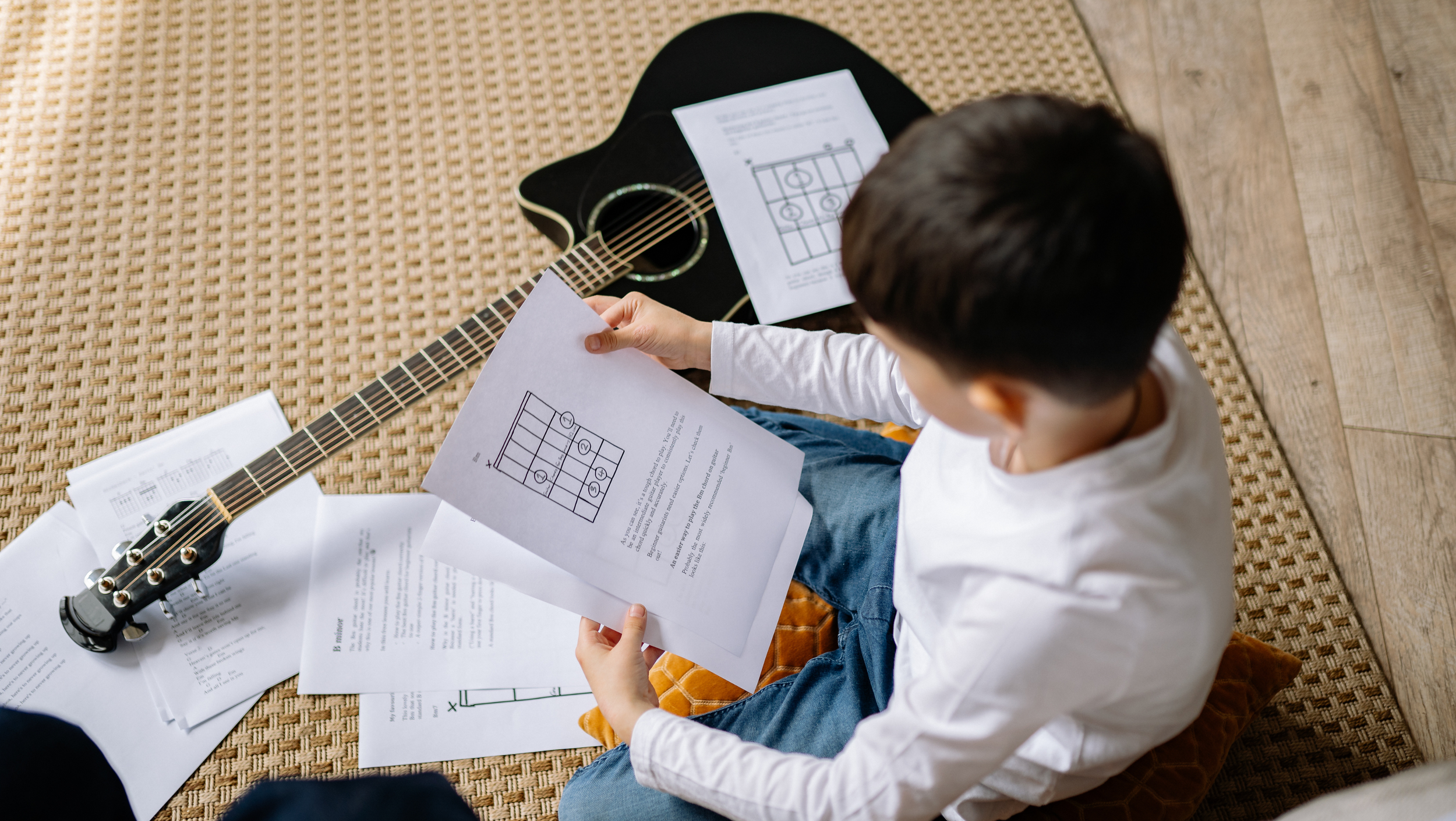
Progress becomes invisible
Children are motivated by visible progress. When they can't see how far they've come, they assume they haven't come far at all.
A student who has been working on a piece for three weeks may have improved dramatically — but if nobody is tracking that progress or reflecting it back to them, it feels like they're standing still.
Streak tracking, lesson notes and milestone celebrations aren't just nice features. They're the visibility tools that keep students connected to their own growth.

Parents don't know what's happening
When parents are out of the loop, they can't support practice at home effectively. They default to nagging — which creates conflict — or they disengage entirely.
Neither outcome helps the student.
Parents who understand what was covered in the last lesson, what the student should be practicing this week, and how their child is progressing are far more likely to encourage rather than pressure. That distinction matters enormously for a child's relationship with music.

The gap between lessons is too wide
A weekly lesson is one hour out of 168. Everything that happens in the other 167 hours determines whether a student progresses or plateaus.
Teachers who stay connected with students between lessons — through practice reminders, digital lesson notes and progress tracking — consistently see better retention than those who only engage during lesson time.
The lesson is important. But the week between lessons is where the real work happens.
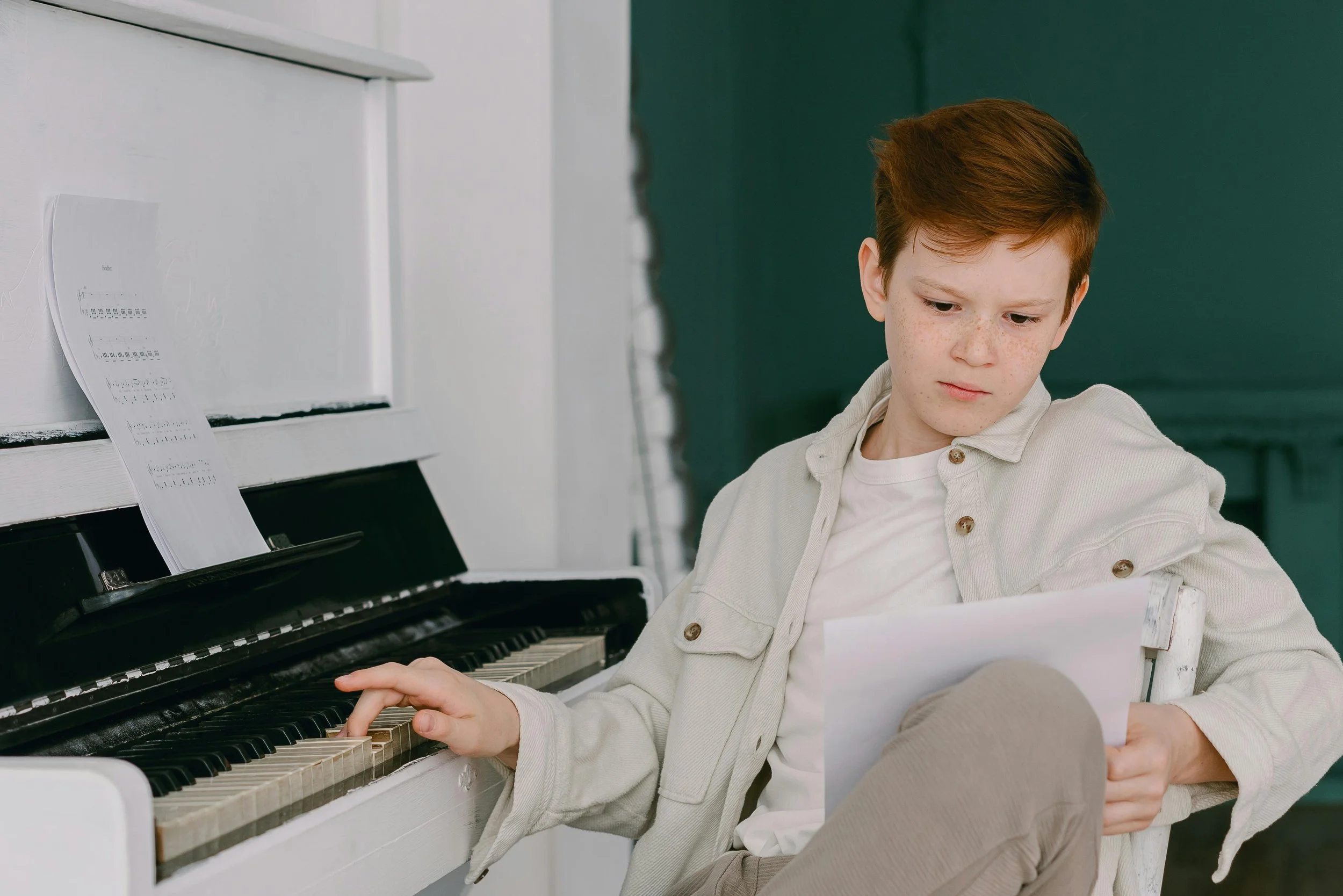
Quitting feels easier than asking for help
Students who are struggling rarely say so. They're embarrassed. They don't want to disappoint their teacher or their parents. So instead of asking for help, they disengage quietly until quitting becomes the path of least resistance.
Regular communication between teachers, students and parents creates an environment where struggling is visible early — before it becomes a reason to quit.
What Teachers Can Do
The good news is that most of these reasons are addressable with the right systems in place.

Make practice a daily habit, not a weekly event.
Short daily sessions beat long infrequent ones every time. Automated practice reminders take the burden of remembering off the student and the parent entirely.
Make progress visible.
Whether through streak tracking, lesson summaries or simple notes about what went well — students need to see evidence of their own improvement regularly.
Keep parents informed and involved.
A parent who understands what their child is working on is an ally, not an obstacle. Digital lesson notes shared after every session bridge the gap between the lesson room and the home.
Stay connected between lessons.
Check in. Send a note. Acknowledge a good practice week. Small gestures of connection between lessons have an outsized impact on student motivation and retention.
How JamTime Helps

JamTime was built specifically around the gap between lessons — the part of music education that has always been hardest to manage.
Practice reminders go out automatically so students build the daily habit without anyone having to chase them. Lesson notes are shared digitally after every session so students know exactly what to work on and parents know exactly what was covered. Progress is tracked in real time so improvement is always visible — to the student, the parent and the teacher.
It doesn't replace great teaching. It supports it — in the 167 hours a week when the teacher isn't in the room.
Ready to keep more students enrolled?
Download JamTime free on the App Store and see the difference consistent connection makes.
JamTime — practice made simple, progress made real.