Teaching Gen Alpha: Shorter Attention Spans and lesson Structure
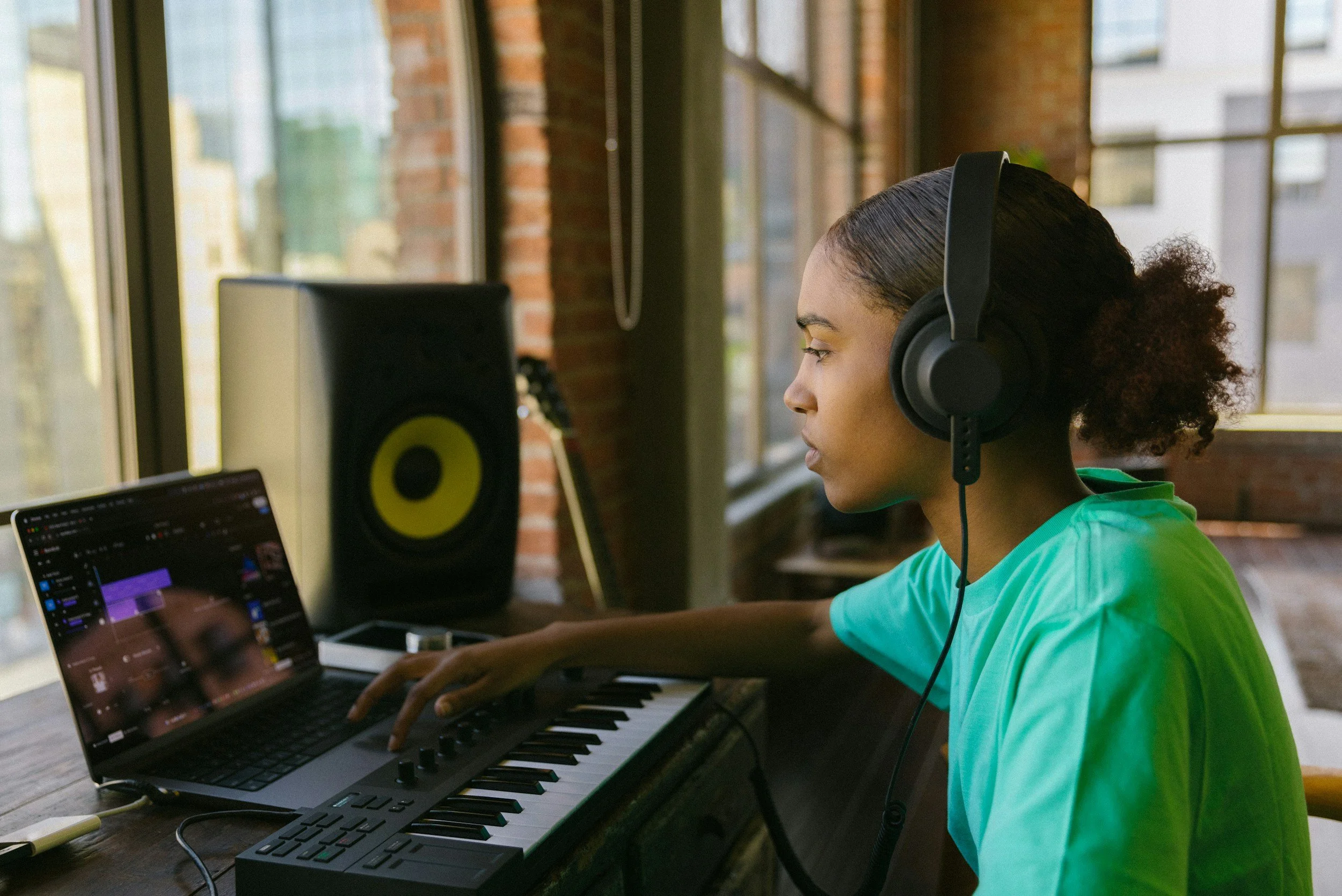
If it feels harder than it used to be to keep your students’ attention in a 30-minute lesson, you're not imagining it, and you're not doing anything wrong.
Gen Alpha — children born from around 2010 onwards — is the first generation to grow up entirely immersed in short-form video, instant-feedback apps and algorithmically optimised content designed specifically to capture attention in seconds rather than minutes.
Research completed in 2026 on this generation shows that exposure to continuous short videos and rapid digital content has measurably shortened students’ focus on a single task, and it's reshaping how educators across every subject are structuring lessons.
This isn't really a criticism of the generation, or a reason for despair about modern kids and their phones. It's a practical reality worth designing around, the same way a good teacher has always adapted to whoever happened to be sitting in front of them.
What's actually changed
The research is fairly consistent on the mechanism: years of consuming content in short, rapidly-switching bursts trains a particular kind of attention — quick, reactive, comfortable jumping between stimuli — at the expense of the sustained, single-task focus that a traditional 30-minute block of scales, repertoire and technique assumes a student can easily maintain. It's not that Gen Alpha students can't focus. It's that their baseline expectation of how long any one activity should hold their attention before something changes is measurably shorter than it was for previous generations.
Educators managing Gen Alpha and Gen Z students across all subjects report the same underlying challenge: a strong preference for active engagement over passive listening, and a real drop-off in focus once an activity runs long without variation. Music lessons, with their traditionally steady, single-task structure, sit squarely in the kind of format this generation finds hardest to sustain.
What this means for lesson structure
The instinct to simply demand longer, more disciplined focus tends to produce frustration on both sides rather than better outcomes. The more effective response, and the one consistent with what researchers are recommending across education generally, is to work with this pattern rather than against it — building lessons around shorter, clearly defined segments rather than one long continuous block.
In practice, that can look like breaking a 30-minute lesson into distinct, clearly-signposted chunks — five minutes of warm-up, a focused stretch on a specific technical point, a shift to repertoire, a different kind of activity again — rather than one undifferentiated half hour that blurs together from the student's perspective. Each transition effectively resets attention, in the same way a short video's rapid cuts do, just applied to a 30-minute lesson instead of a 30-second clip.
Visual and interactive elements help more with this generation than with previous ones — not because they're more easily distracted, but because they've been trained on exactly that kind of input. A student who struggles to stay engaged with a page of notation for 10 straight minutes might focus far better on the same content broken up with visual aids, a quick game-like challenge, or a moment of recording and immediately playing back their own sound

What this doesn't mean
None of this is an argument for abandoning depth, discipline or sustained musical focus — those remain exactly as important as they've always been, and arguably more valuable precisely because they're increasingly rare skills for this generation to develop elsewhere. The point isn't to make lessons shallower. It's to build the on-ramp differently, using shorter segments and more frequent engagement points to get a student into sustained focus, rather than assuming they'll arrive there on command the way earlier generations more readily could.
There's a reasonable argument that music lessons are one of the more valuable places a Gen Alpha student can develop sustained attention precisely because so much of the rest of their world is actively working against it — which makes getting the structure right worth the extra thought, rather than a reason to lower expectations.
The practical takeaway
If lessons feel harder to hold attention through than they used to, the fix usually isn't more discipline from the student — it's shorter, more clearly defined segments within the same lesson length, with more frequent shifts in activity and more visual or interactive elements than a traditional lesson plan might include. Depth and sustained focus remain the goal. They may just need to be built up to differently than they once did.
How JamTime supports this
A lesson broken into shorter, clearly defined segments benefits from practice time structured the same way — which is exactly what specific, itemised lesson notes make possible.
Instead of one vague instruction to "practice your piece," JamTime enables you to log distinct, specific tasks — a technical point, a section of repertoire, a short sight-reading exercise — giving a Gen Alpha student the same kind of clearly segmented structure at home that works best in the lesson itself. The practice streak also taps into exactly the kind of quick, visible feedback loop this generation responds to, turning daily practice into something with an immediate, visible result rather than a long-term abstraction.
Download JamTime from the App Store. Free version for teachers where students subscribe, or paid teacher subscription enabling free student sign up … a value add for your studio that can be captured in your fees.
Visit jamtime.com.au to learn more.
JamTime — practice made simple, progress made real.