Guitar Method Books Compared: Hal Leonard, Mel Bay, and Where Classical Methods Fit
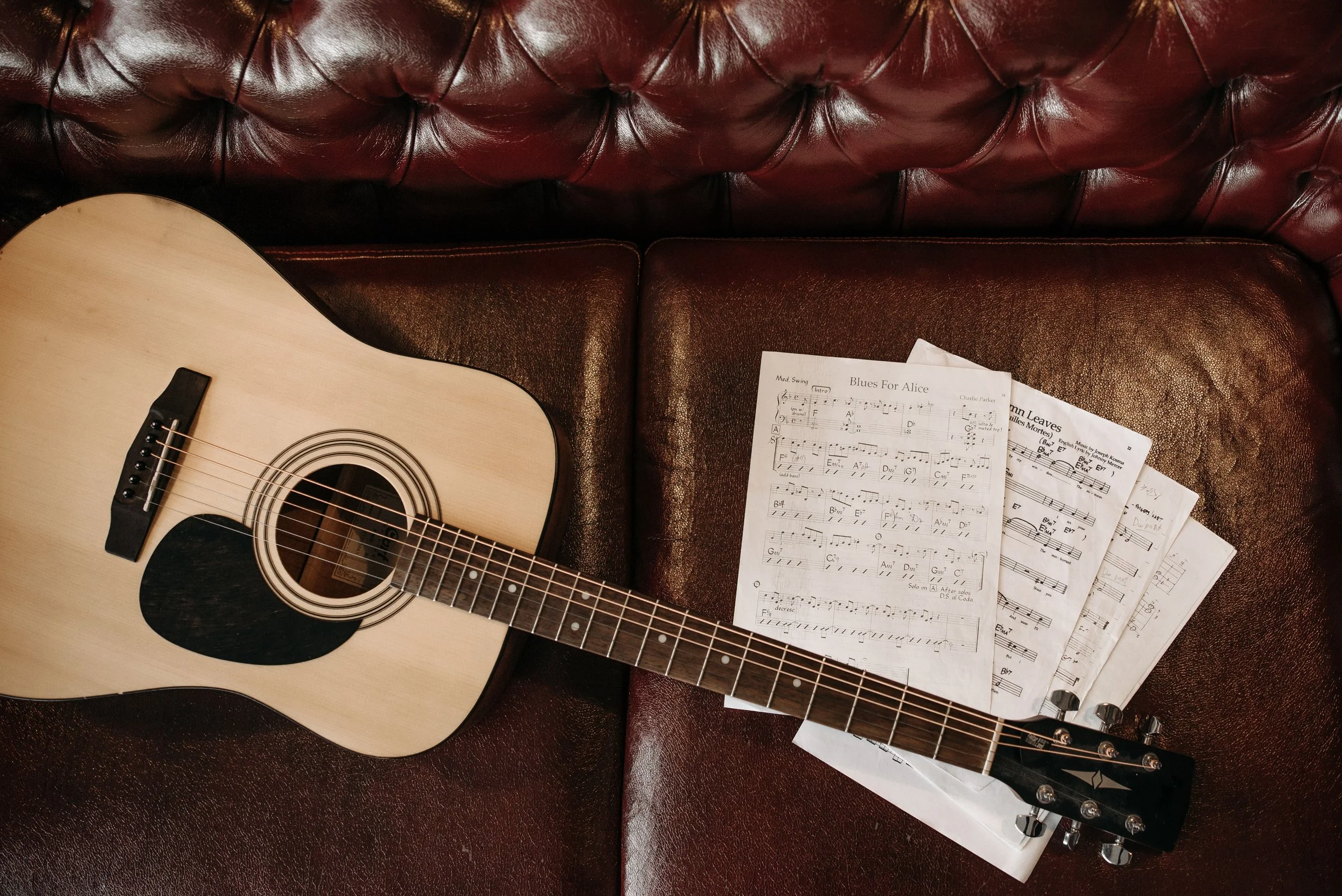
Guitar sits in an unusual spot among instruments when it comes to method books. Unlike piano, where a handful of methods dominate, or violin, where the central debate is really just Suzuki versus reading, guitar teaching splits early along a much more practical line: what is this student actually trying to play?
That question matters more here than almost anywhere else, because the gap between a student who wants to strum chords to sing along with and a student working toward classical repertoire isn't really a difference in ability — it's a difference in goal, and the right method book depends entirely on which one you're teaching toward.
The general-purpose standard: Hal Leonard Guitar Method
For most beginner guitar students — especially those without a specific classical goal — the Hal Leonard Guitar Method is the closest thing to a default choice, and for good reason. It balances notation, chord work and genuinely playable material from early on, which matters enormously for guitar specifically: a student who can strum a recognisable song within the first few weeks tends to stay motivated in a way that a student slogging through notation-only exercises often doesn't.
Its strength is that balance — real playing alongside real reading, rather than heavily favouring one over the other. For a general student without a strong classical or fingerstyle direction yet, it's a sensible, well-tested starting point.

The long-standing alternative: Mel Bay
Mel Bay's guitar method series predates Hal Leonard's by decades and remains a widely used alternative, particularly among teachers trained in an earlier era of guitar pedagogy. It tends to be somewhat more notation-focused and systematic in its early sequencing than Hal Leonard, which suits students — or teachers — who prefer a more traditional, structured progression over an early emphasis on playable chord-based material.
Neither approach is objectively superior; the choice between them often comes down to whether a student (or a teacher's own teaching style) responds better to an early emphasis on playing recognisable material, or a more gradual, reading-first structure.

Where classical method diverges entirely
Once a student's direction is genuinely classical guitar, the general methods above stop being the right tool, and a more specialised approach becomes necessary. Aaron Shearer's method is widely regarded as one of the most rigorous frameworks for classical technique — right-hand position, tone production and reading — and is often the starting point for teachers building a serious classical foundation.
Christopher Parkening's method, developed by one of the instrument's best-known classical performers, offers a similarly rigorous but slightly different pedagogical lineage, with strong emphasis on tone and technique from the earliest stages.
Frederick Noad's classical guitar method is another well-established alternative, often valued for its clear progression through repertoire alongside technical development.
The practical implication is that "which guitar method should I use" doesn't really have a single answer the way it might for piano. It has two reasonably separate answers depending on a student's direction — general/contemporary, or classical — and conflating the two tends to under-serve whichever direction the student actually wants to go.
The case for finding out early
Because the right method genuinely diverges based on a student's goals, it's worth having an explicit conversation early — ideally within the first few lessons — about what a new guitar student actually wants to be able to play. A student who imagined learning guitar to play campfire songs and sing along, handed a classical-method-first curriculum heavy on seated right-hand position and notation-first repertoire, is at real risk of losing interest before they ever get near what they actually wanted. The reverse is just as true: a student with genuine classical ambition, started purely on a chord-based general method, will eventually need to unlearn habits that a classical method would have built correctly from day one.
This doesn't need to be a rigid, permanent decision — many students' goals evolve, and a good general method still builds skills a future classical student can use. But starting with a rough sense of direction, rather than defaulting to whichever method happens to be on your shelf, tends to produce a smoother first year regardless of which direction a student ultimately takes.

The practical takeaway
For most beginner guitar students without a specific classical goal, Hal Leonard offers the best balance of playable material and solid reading development, with Mel Bay as a sound, more traditionally structured alternative. For students with genuine classical ambitions, Shearer, Parkening or Noad are worth introducing early rather than retrofitting technique later — the earlier a classical foundation is built correctly, the less needs to be unlearned down the track.

How JamTime supports this
Guitar's split between general and classical pathways makes clear, consistent lesson notes especially valuable — a student needs to know not just what to practice, but which skill set a given exercise is actually building toward.
JamTime enables you to log specific practice tasks tied to a student's actual direction — chord changes and strumming patterns for a general-method student, or right-hand technique and position work for a classical one — so practice at home stays aligned with where the lessons are actually headed. The practice streak keeps the habit visible regardless of which path a student is on, and parents stay informed on progress either way.
Download JamTime on the App Store. Free version available for teachers where students subscribe, or premium version to offer the app as a value add for free to your students.
Visit jamtime.com.au to learn more.
JamTime — practice made simple, progress made real.