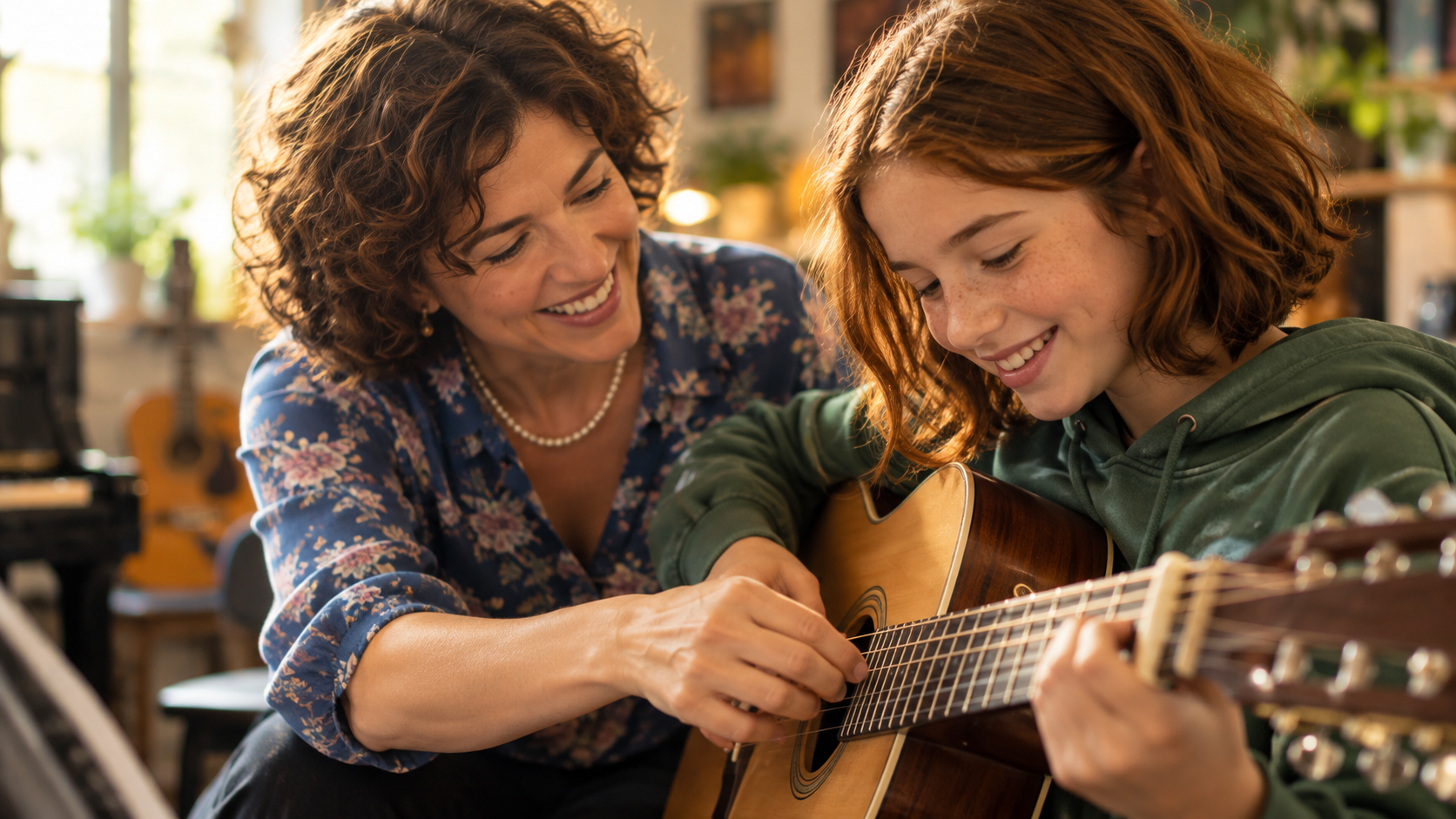
Most teachers write careful and detailed practice notes. Which piece, which scale, which passage to fix, tips on technique.
However this is no guarantee that these notes will be followed. Often when they say they’ve practiced, what they mean is they’ve just played through pieces without fixing anything, or just fiddled with stuff they like.
What children actually do when they practise
A well-known Australian longitudinal study by McPherson and Renwick tracked young children's practice over several years, looking at how much they directed and monitored their own learning. The findings were sobering. The strategies the children used were confined almost entirely to playing through a piece once or twice, and most errors went unaddressed. Without clear instruction, young students often have a limited understanding of the technical and musical demands of what they are learning, and their strategies are less effective as a result.
Other researchers note that the quality of a typical student's practice is often poor because of ineffective and unsystematic strategies. In other words, practice time alone doesn't guarantee improvement.
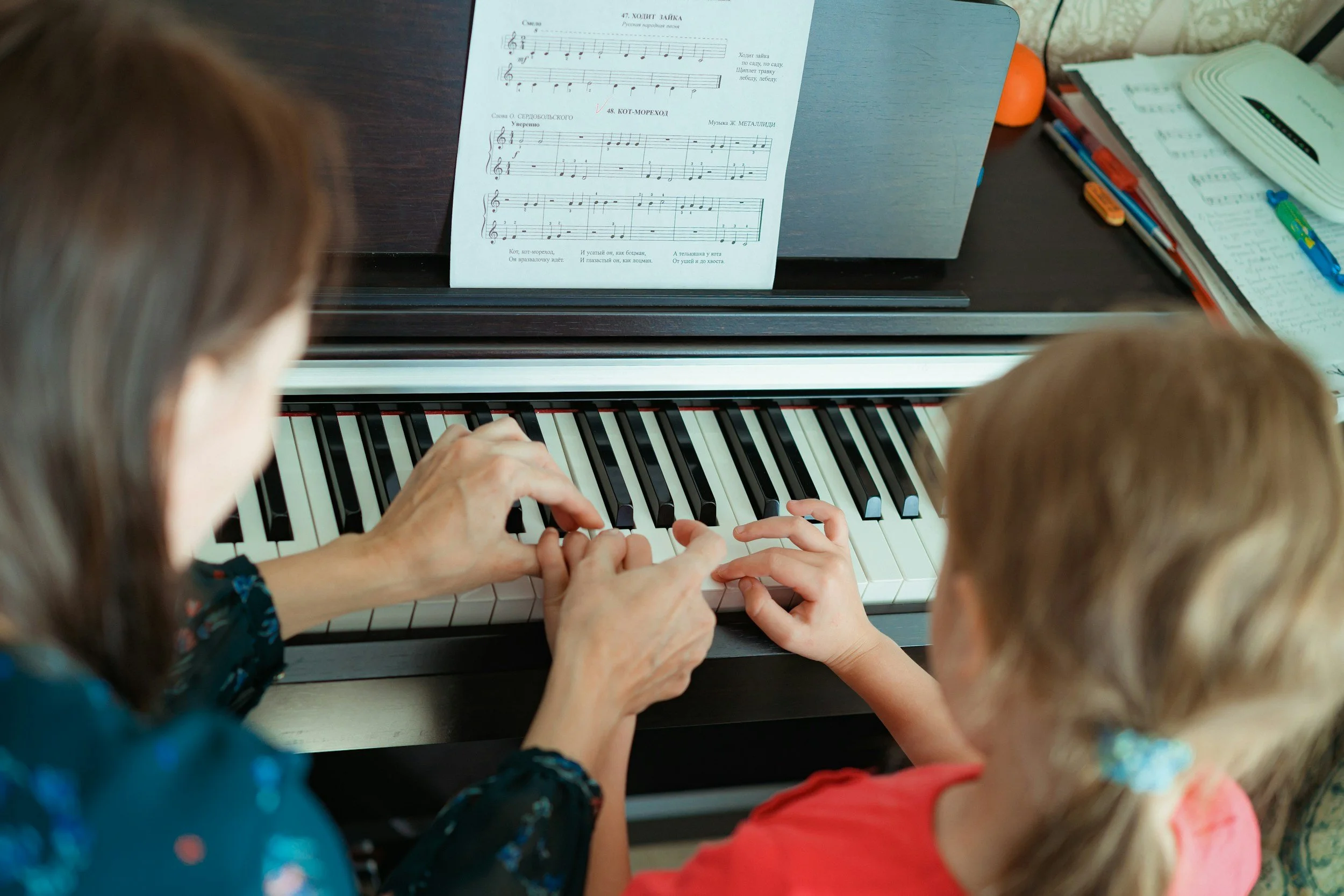
Quantity and quality both matter
Reviews of practice research make a useful distinction. Effective practice needs to be high in quantity, meaning many hours of regular practice accumulated over time, and in quality, meaning effortful, focused, strategic work aimed at improving performance. Both matter, and neither can fully make up for the other.
This is good news for teachers, because it suggests two separate levers: helping students practise regularly, and helping them practise well.
What self-regulation means
The research framework behind this is called self-regulated learning. It describes learners who set goals, choose strategies, monitor how well those are working and adjust. Gary McPherson, a researcher at the University of Melbourne and the Sydney Conservatorium, has applied it to music for many years, and his work suggests that stronger musicians tend to use more sophisticated strategies, feel more confident and practise in a more engaged way.
The framework is often described as three phases that repeat in a cycle.
Forethought: deciding what to work on and how. A goal for the session and a plan to reach it.
Performance: carrying out the plan while staying focused, using strategies and checking what is happening as it happens.
Reflection: looking back at how it went, what worked and what to change next time.
Importantly, researchers note that these skills can be developed gradually, in ways suited to a student's age and stage. They are not fixed traits that some children have and others lack.
What this looks like with young students
You don't need to use any of the terminology. A simple routine with young students covers the same ground.
Plan: "What is today's goal?" Before playing, the student names one thing to improve, such as the left hand in bar 5. This replaces "play it through".
Do: teach concrete strategies. Slow it down. Repeat the hard bar three times. On piano, practise hands separately. Mark the tricky spot with a pencil. Show these in the lesson, because children rarely invent them alone.
Check: "How did it go?" A quick question at the end, such as "Is it better than when you started?", builds the habit of noticing improvement.
Model it in the lesson. Practising out loud with the student, narrating what you're doing and why, shows the process rather than only describing it.
What this means for parents
Parents often can't tell whether practice is productive, and a common reaction is to focus on time spent. A short explanation helps: 10 focused minutes with a clear goal usually does more than thirty minutes of playing through a piece repeatedly. This also connects to motivation, because students who can see their own improvement are more likely to want to continue.
The practical takeaway
The research suggests that practice quality can be taught, and that without teaching, many children will just play through pieces without working on the parts that need extra attention. Spending a few minutes of each lesson showing students how to plan, work and check can make home practice noticeably more effective.
How JamTime supports this
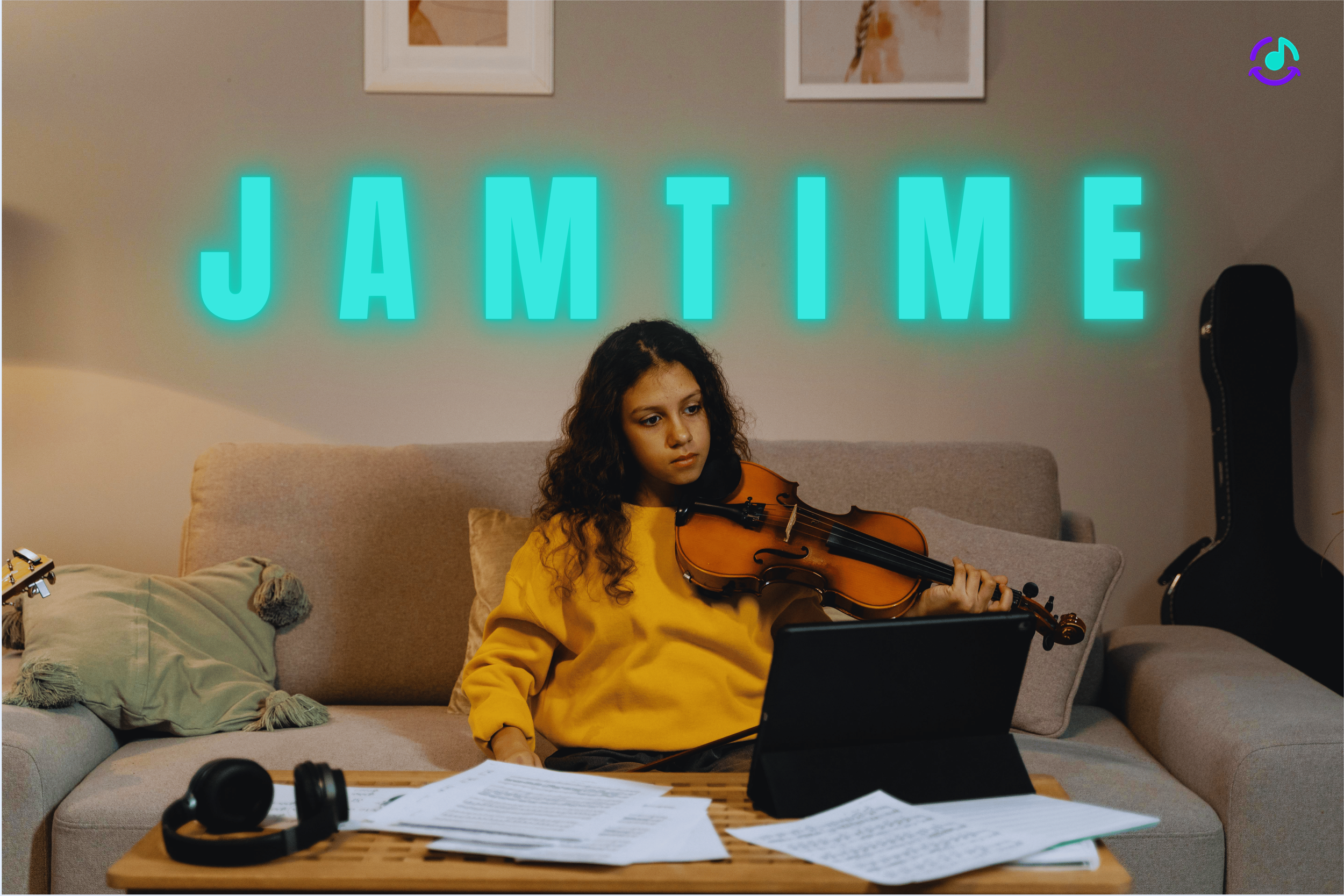
The teacher's instructions are what a student takes into practice, so the more specific they are, the better. JamTime gives teachers a place to enter notes during each lesson, including not just what to work on but how, such as practice a couple of bars at a time, slowly, put in the dynamics marked, if you make a mistake do the bar again etc.. Daily reminders and the practice streak help the regular-practice side, while parents see what's been set and how it’s to be practiced to support home practice.
Download a free trial ofJamTime free on the App Store.
Visit jamtime.com.au to learn more.