How to Structure a Lesson So Students Know Exactly What to Practice
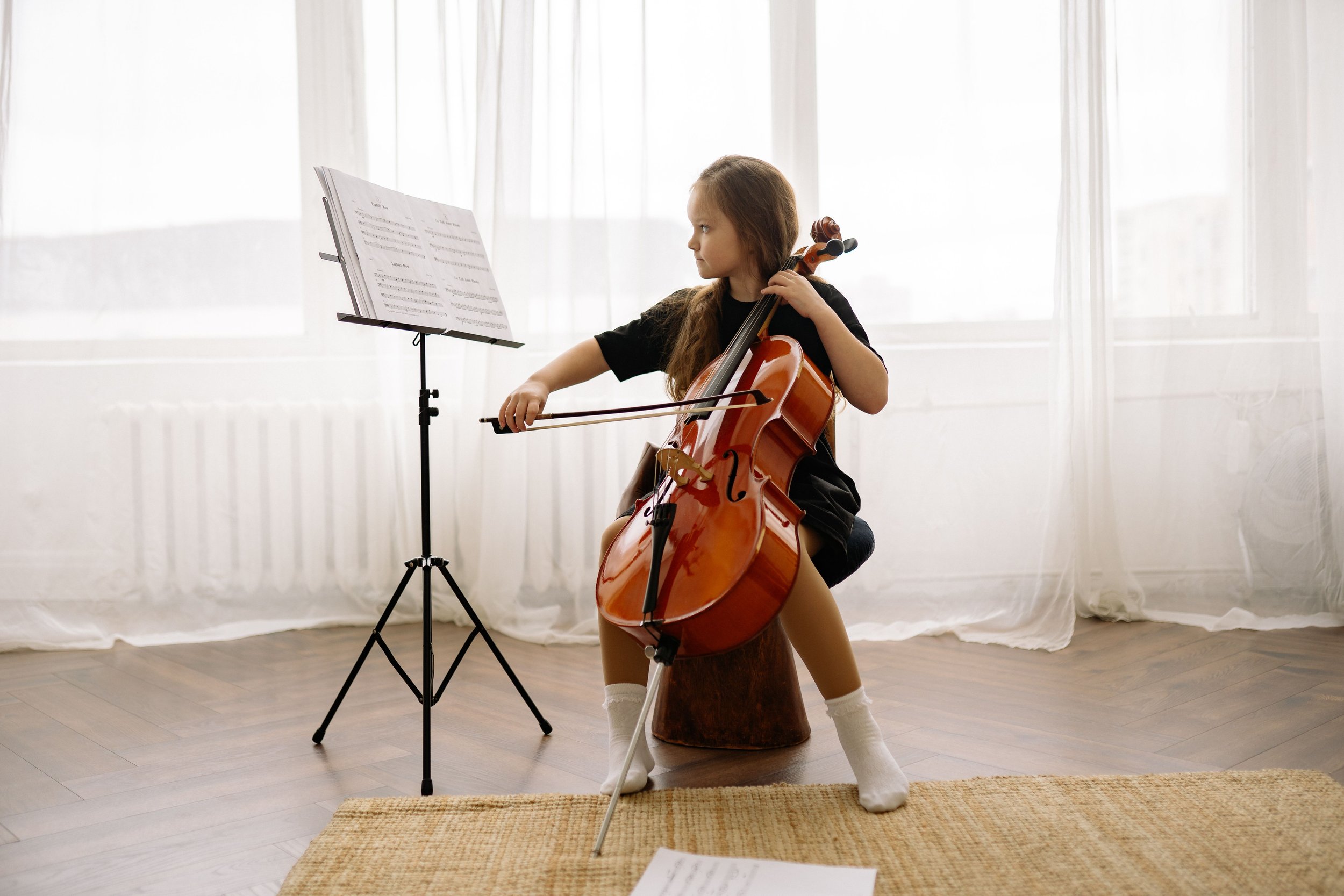
Most students leave their lesson motivated. By the time they sit down to practice, that motivation has often quietly disappeared — not because they don't care, but because they genuinely aren't sure what to do.
This is one of the most common and most overlooked problems in music education. Teachers spend an enormous amount of time and energy inside the lesson room. But if a student walks out the door without a clear picture of what to practice and how to practice it, that hour or half hour becomes far less effective.
The good news is that a small shift in how lessons conclude can completely change what happens in the days that follow.

Why Students Forget What to Practice
It's tempting to assume that students who don't practice simply aren't motivated. Sometimes that's true. But more often the issue is clarity.
A student who leaves a lesson with a vague instruction like "practice your scales and work on the piece" is being asked to make multiple decisions every time they approach their instrument. Which scales? For how long? Which section of the piece? From the beginning or just the hard part? How will I know when I've done enough? How do I get that tricky part right?
Each of those unanswered questions creates friction. And friction, especially for younger students, is enough to derail practice entirely.
When a student knows exactly what to do — a specific section, a specific technique, a specific number of repetitions — the decision is already made. All they have to do is show up and follow the plan
The Lesson Structure That Makes Practice Easier
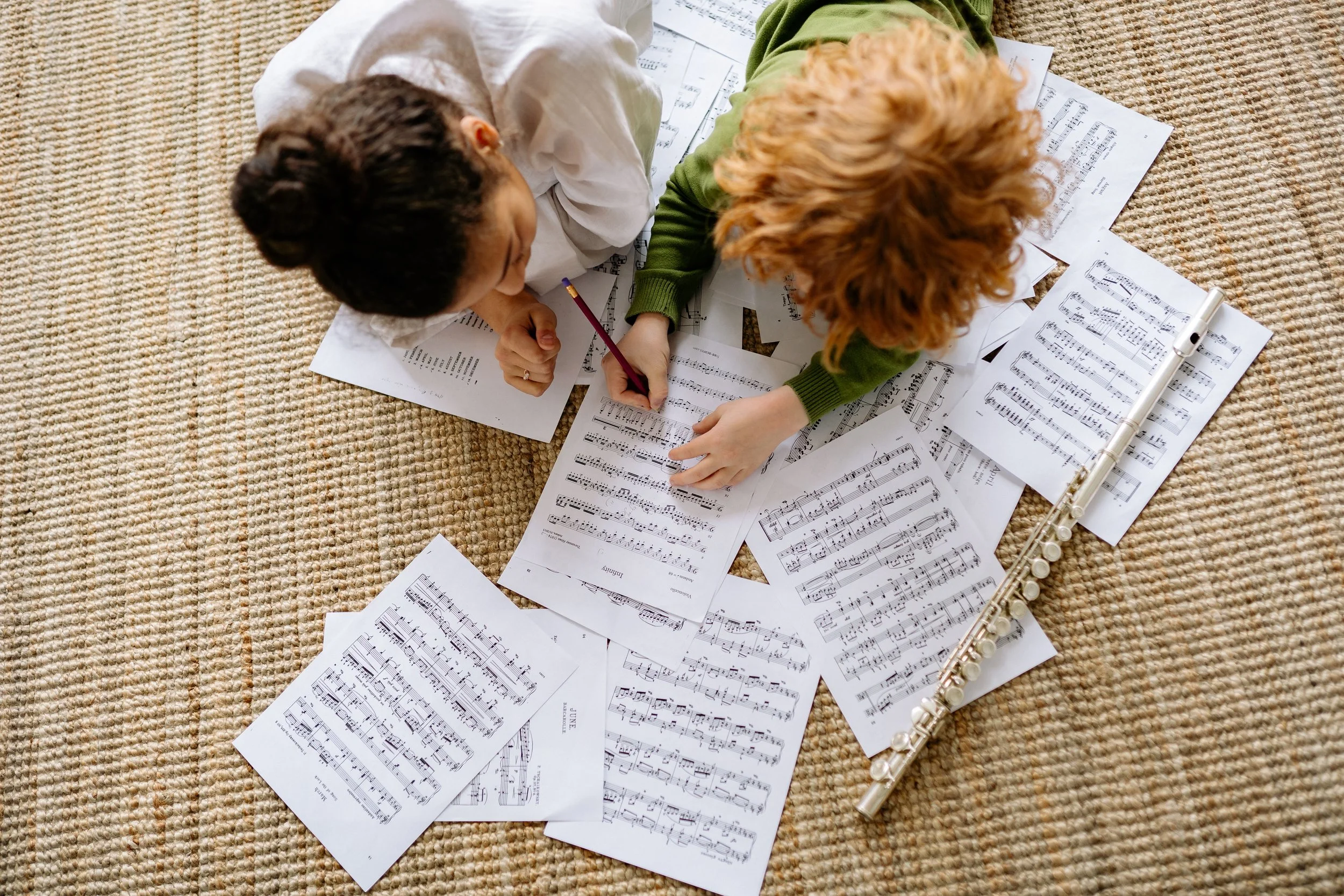
A well-structured lesson doesn't just teach — it sets the student up to practice effectively in the days that follow. Here's a framework that works consistently across different instruments, ages and skill levels.
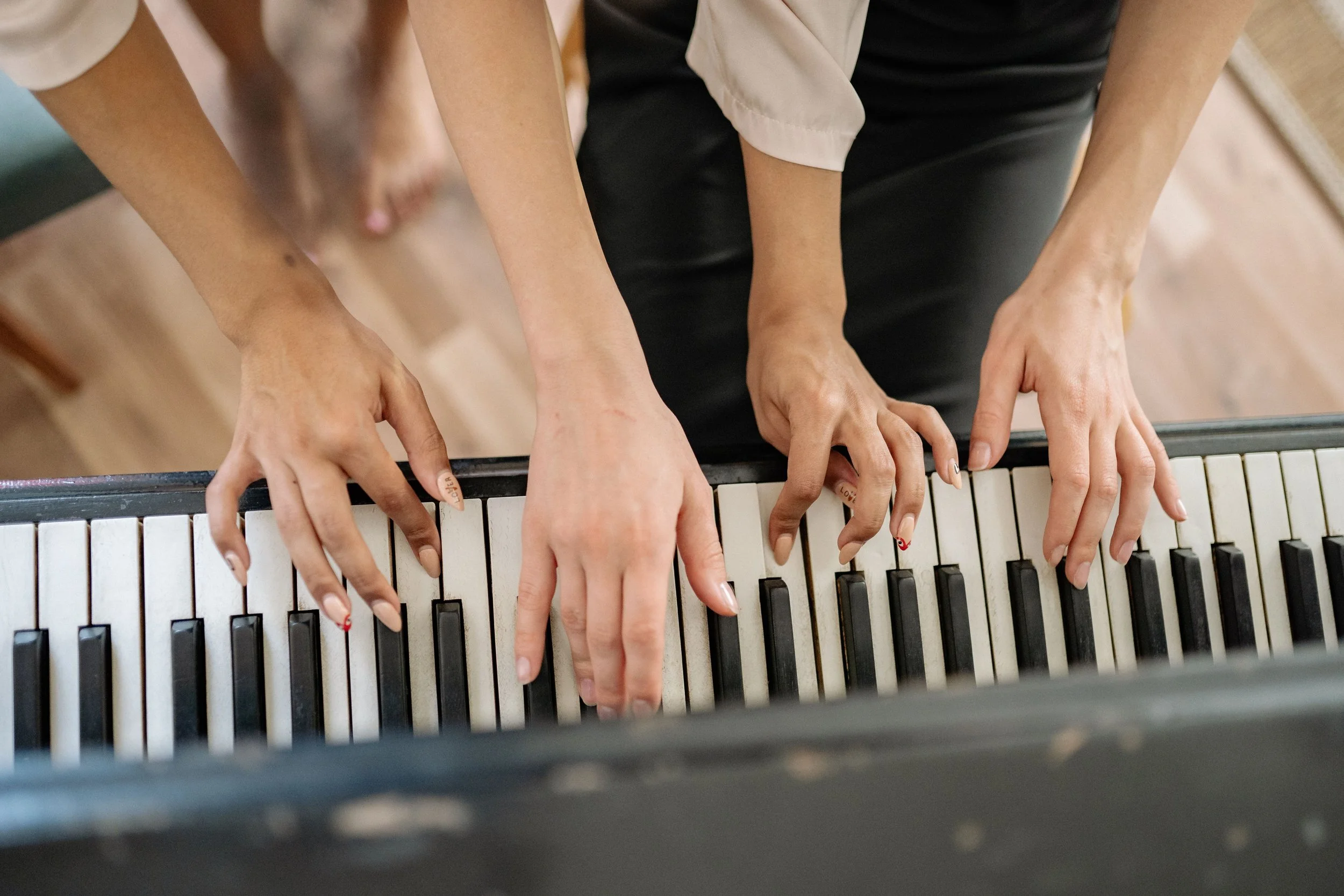
Open with a brief review.
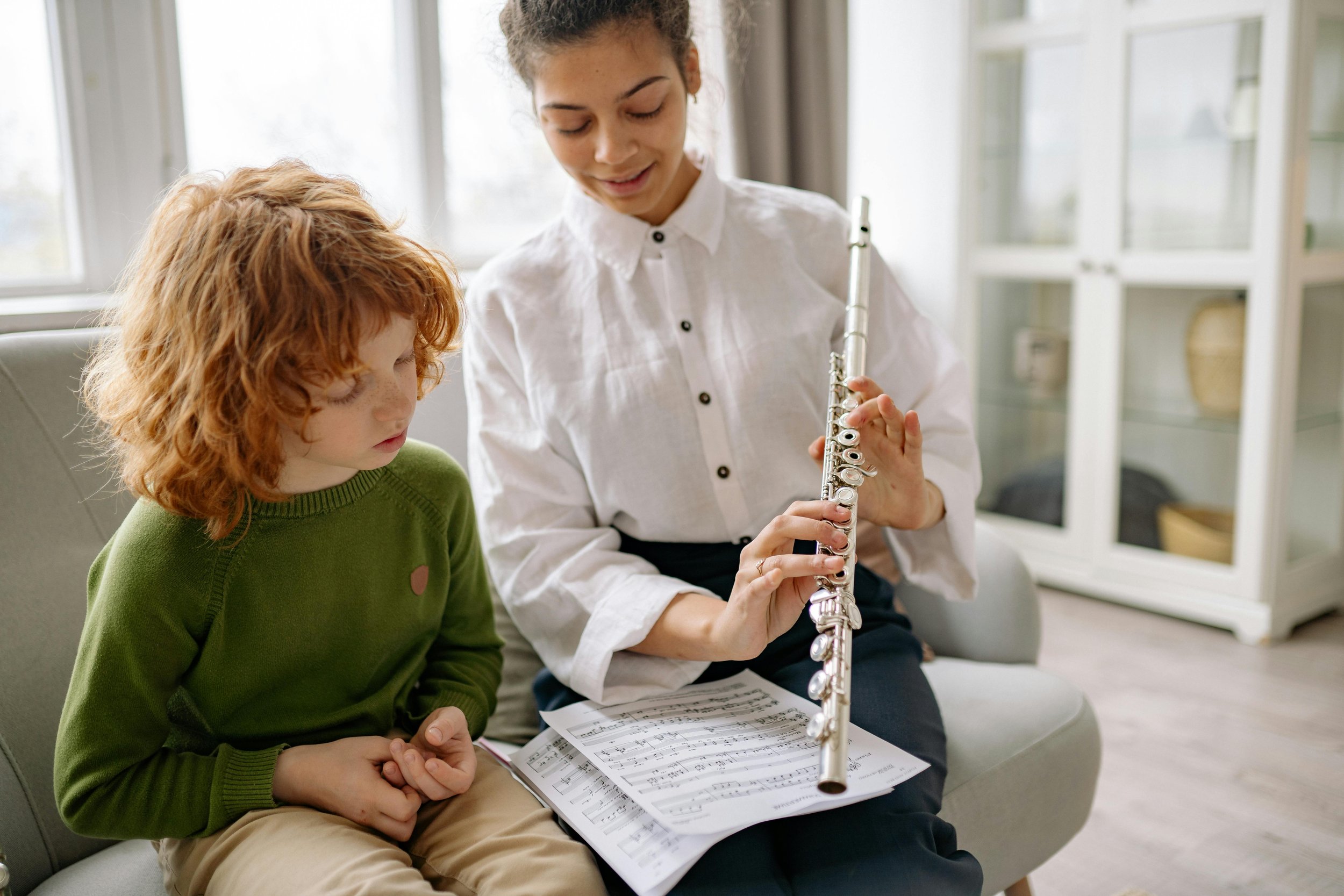
Start each lesson by revisiting what was covered last time. Ask the student to play through what they practiced during the week. This does two things simultaneously: it gives the teacher a clear picture of what actually happened at home, and it signals to the student that practice matters and will be checked.
This review doesn't need to be long. Five minutes is enough to establish the feedback loop that makes students take home-practice seriously.

Work on one to two focused areas.
Resist the urge to cover everything in a single lesson. A lesson that touches on seven different things gives the student seven things to half-remember. A lesson that goes deep on one or two things gives the student one or two things they genuinely understand and can replicate at home.
This focus also makes it far easier to set clear practice goals at the end of the lesson. If you've spent most of the session on the bridge section of a piece, the practice instruction almost writes itself.
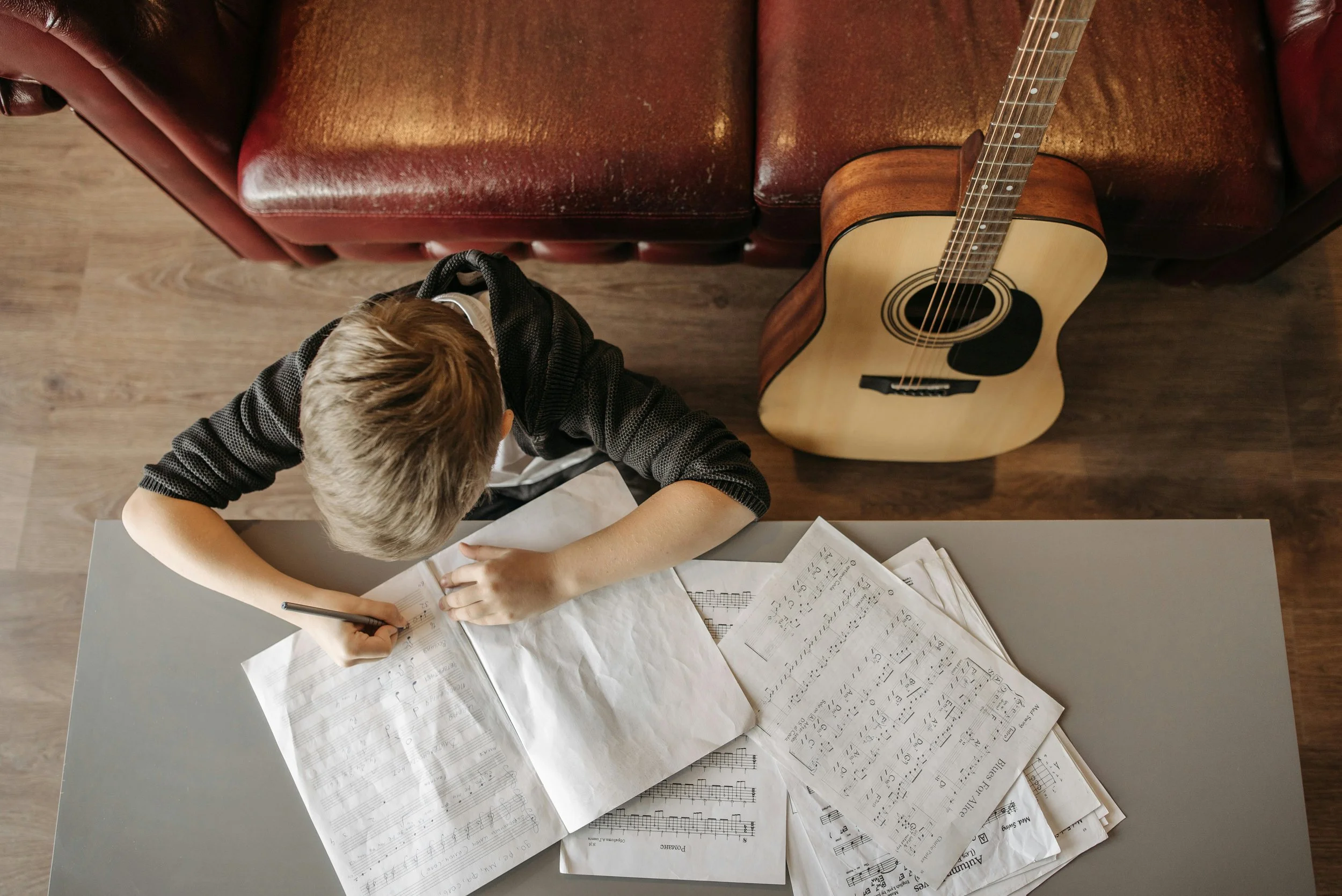
Build in a clear practice plan before the student leaves.
This is the most important part of the lesson structure and the most commonly skipped.
Before the student walks out the door, take two to three minutes to clarify exactly what they should practice this week. Not a general instruction — a specific plan. Which section. What to focus on. How many repetitions. What to do if they get stuck.
This practice plan should be written down somewhere the student will actually see it. Not in a notebook that lives at the bottom of a school bag — somewhere accessible, ideally with a reminder attached so the student sees it at the right time each day.

End with something positive.
Always finish the lesson on a moment of success. Play through something the student does well. Celebrate a specific improvement from last week. Send them home feeling capable rather than overwhelmed.
Students who leave a lesson feeling good about their playing are far more likely to want to practice than students who leave feeling like they have a long way to go.
Why the Practice Plan Matters More Than the Lesson
A music lesson is a half or one hour. The week between lessons is 167 hours.
What happens in those 167 hours is shaped almost entirely by how clearly the student understands what to practice. A great lesson followed by a vague practice instruction produces far less progress than a good lesson followed by a specific, clear plan the student actually follows.
The lesson is where learning begins. Practice is where it gets locked in. The clearest possible bridge between those two things — a specific, visible, accessible practice plan — is what separates students who progress consistently from those who seem to plateau despite showing up every week.
How JamTime Supports This
JamTime gives teachers a place to leave that practice plan directly in the app after every lesson — specific notes that students see the moment they open it, paired with a daily reminder that arrives at exactly the right time.
Teachers can add photos, videos and links to notes, making the practice plan as rich and detailed as needed. All student notes are stored in one place so teachers can review what was set last week before the next lesson begins.
The result is a clear, consistent loop — lesson, notes, reminder, practice, review — that keeps students moving forward between sessions without the teacher having to chase anyone.
Download JamTime free on the App Store.