How to Set Practice Goals That Students Actually Follow
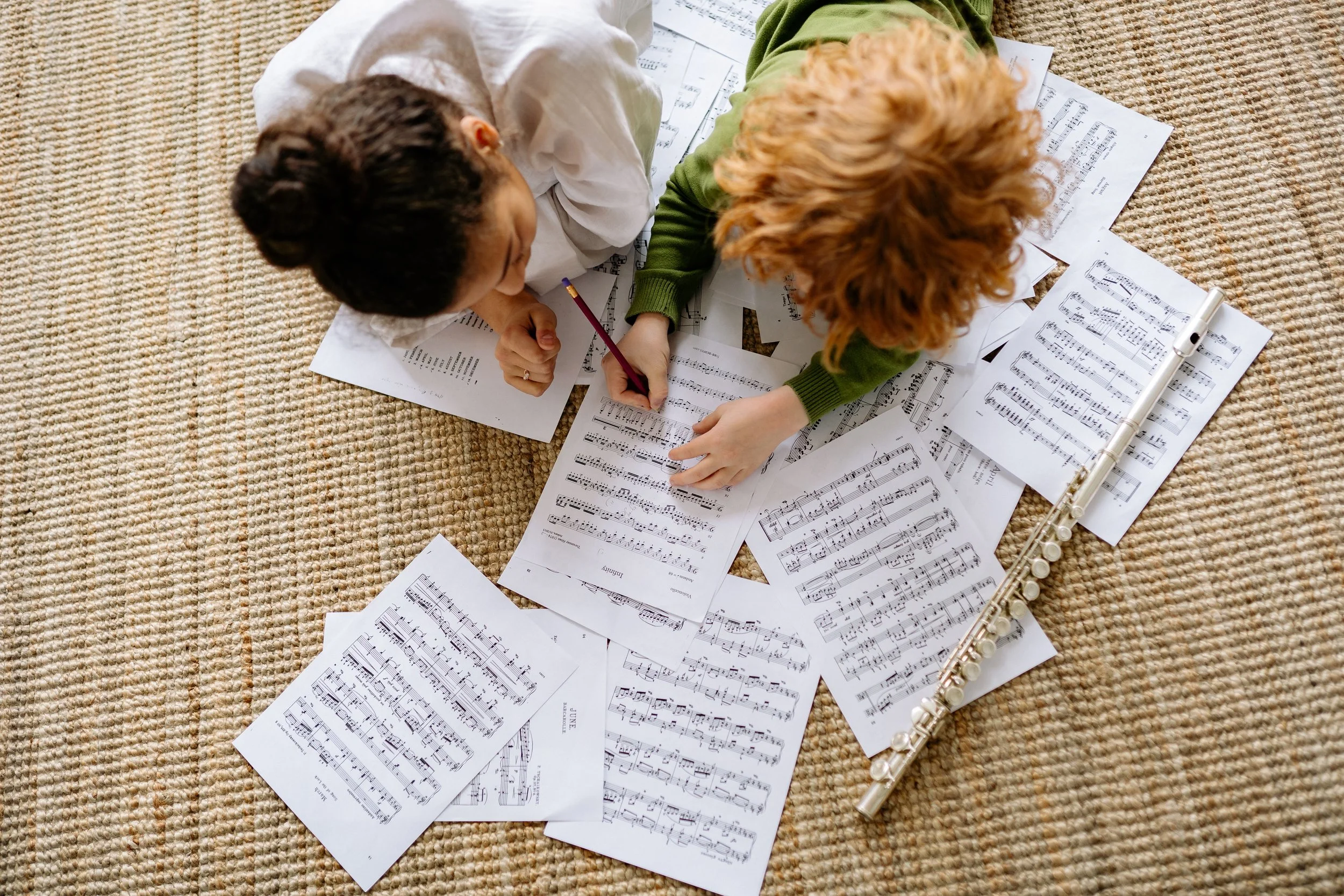
The difference between students who improve and those who plateau usually comes down to one thing: how their goals are set.
.Every music teacher has set goals for students. "Practice this piece for 20 minutes a day." "Get through the whole scale without stopping." "Have this ready by next lesson."
And every music teacher has also experienced the same outcome more often than they'd like — the goal doesn't get met. Not because the student doesn't care, but because the goal itself was never going to work.
The good news is that this is fixable. The way a goal is framed has an enormous impact on whether a student actually follows through — and small changes to how goals are set can make a significant difference to how consistently students practice.

Why Most Practice Goals Fail
Most practice goals fail for one of three reasons: they're too vague, too big, or disconnected from the student's own motivation.
A goal like "practice more" is too vague to act on. It doesn't tell the student what to do, when to do it, or how they'll know they've succeeded. Vague goals require the student to make decisions every single day about what "more" looks like — and when faced with that decision repeatedly, most students simply do nothing.
A goal like "learn the entire piece by next week" is too big. It feels overwhelming, especially for younger students, and when a student feels like a goal is out of reach, they tend to disengage from it entirely rather than make partial progress.
And a goal that's entirely teacher-imposed — with no input from the student — is disconnected from what actually motivates them. Students are far more likely to follow through on goals they had some hand in shaping.

What Makes a Goal Actually Work
Specific and small.
The most effective practice goals are specific enough that there's no decision-making required. "Practice the first eight bars slowly, three times, focusing on finger position" is a goal a student can start immediately. There's no ambiguity about what to do.
Small goals also feel achievable. A student who completes a small goal experiences a sense of accomplishment — and that feeling is what drives them to come back the next day.
Tied to the next lesson.
Goals that clearly connect to what's coming up in the next lesson carry more weight than abstract long-term goals. "By Thursday's lesson, I want to be able to play this section without stopping" gives the student a deadline and a clear reason to practice — they know exactly what will happen if they do or don't.
Visible and trackable.
One of the biggest reasons goals fail is that students forget about them entirely between lessons. If the goal isn't written down somewhere the student sees regularly, it competes with everything else going on in their week — and loses.
When a goal is visible — whether written in a practice journal, displayed in an app, or part of a daily reminder — it stays present in the student's mind. Visibility alone dramatically increases follow-through.
Built around small wins.
Rather than one big goal for the week, breaking practice into small weekly wins gives students more opportunities to feel successful. "This week’s goal: play the warm-up exercise three times without a mistake" is something a student can complete in minutes and check off immediately. Five small wins across the week feel very different from one large unmet goal.

The Role of the Teacher
Setting effective goals isn't something students naturally know how to do — it's a skill teachers can actively teach.
At the end of each lesson, instead of giving a broad instruction like "work on this piece," teachers can collaborate with the student to set one or two specific, achievable goals for the week. This takes very little extra time but dramatically changes how the student approaches practice.
It also shifts the relationship. When students help set their own goals, they take more ownership of the outcome. The goal becomes theirs, not just an instruction from the teacher.

Why This Matters for Retention
Students who consistently meet practice goals — even small ones — experience a sense of progress. And progress is one of the strongest predictors of whether a student stays motivated and continues lessons long term.
On the other hand, students who repeatedly fail to meet goals — particularly goals that were too vague or too ambitious to begin with — start to associate music practice with failure. Over time, that association becomes a reason to quit.
Setting goals students can actually follow isn't just about better practice habits. It's about protecting the relationship students have with music itself.
How JamTime Supports This
JamTime makes it easy for teachers to set specific, visible goals for each student directly in the app during every lesson. Students see exactly what to work on and how, parents can see it too. Practice reminders keep the goal front of mind throughout the week.
Small, specific, visible goals — supported by daily reminders and clear achievable goals— are exactly the kind of system that turns good intentions into consistent practice.
Download JamTime free on the App Store.